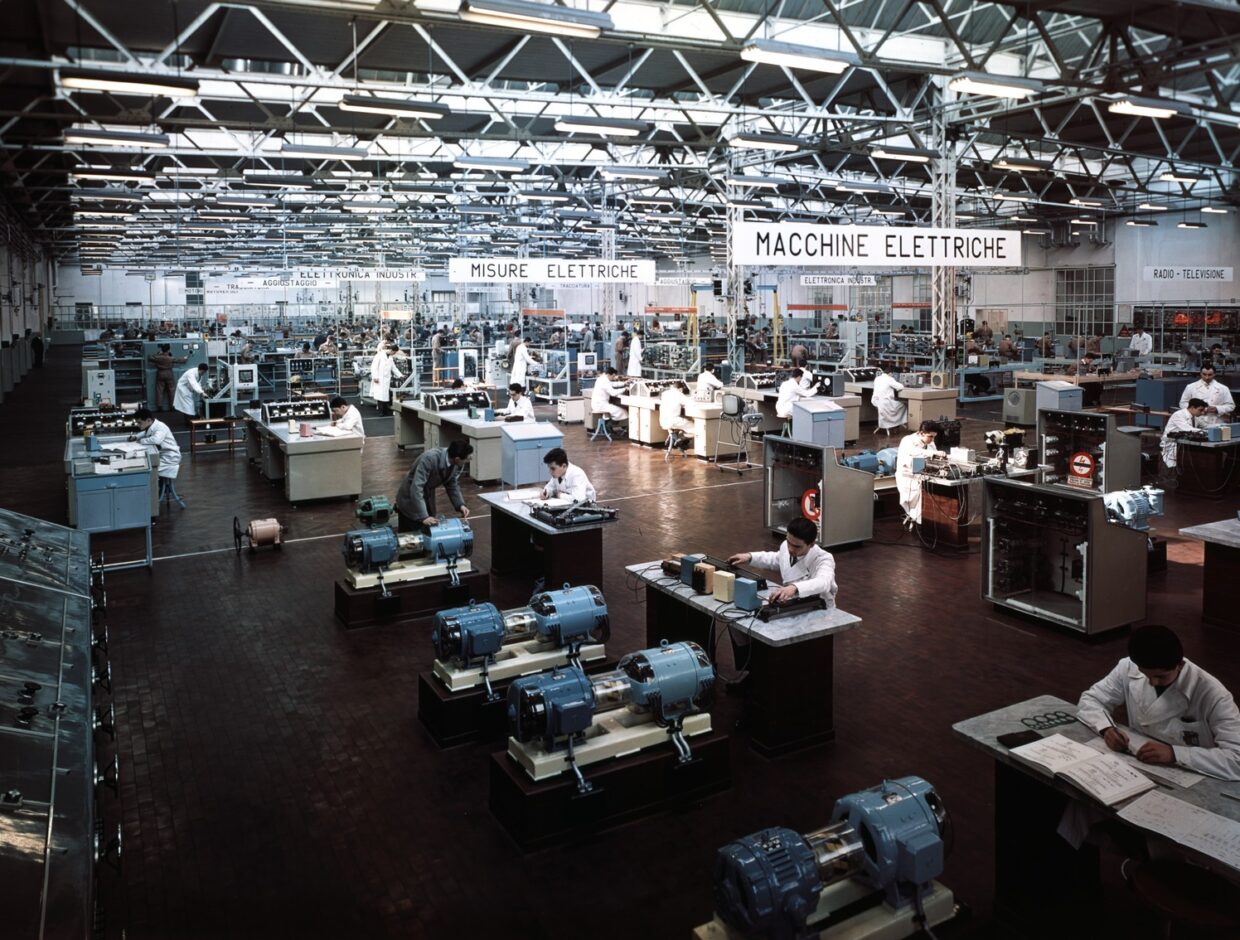
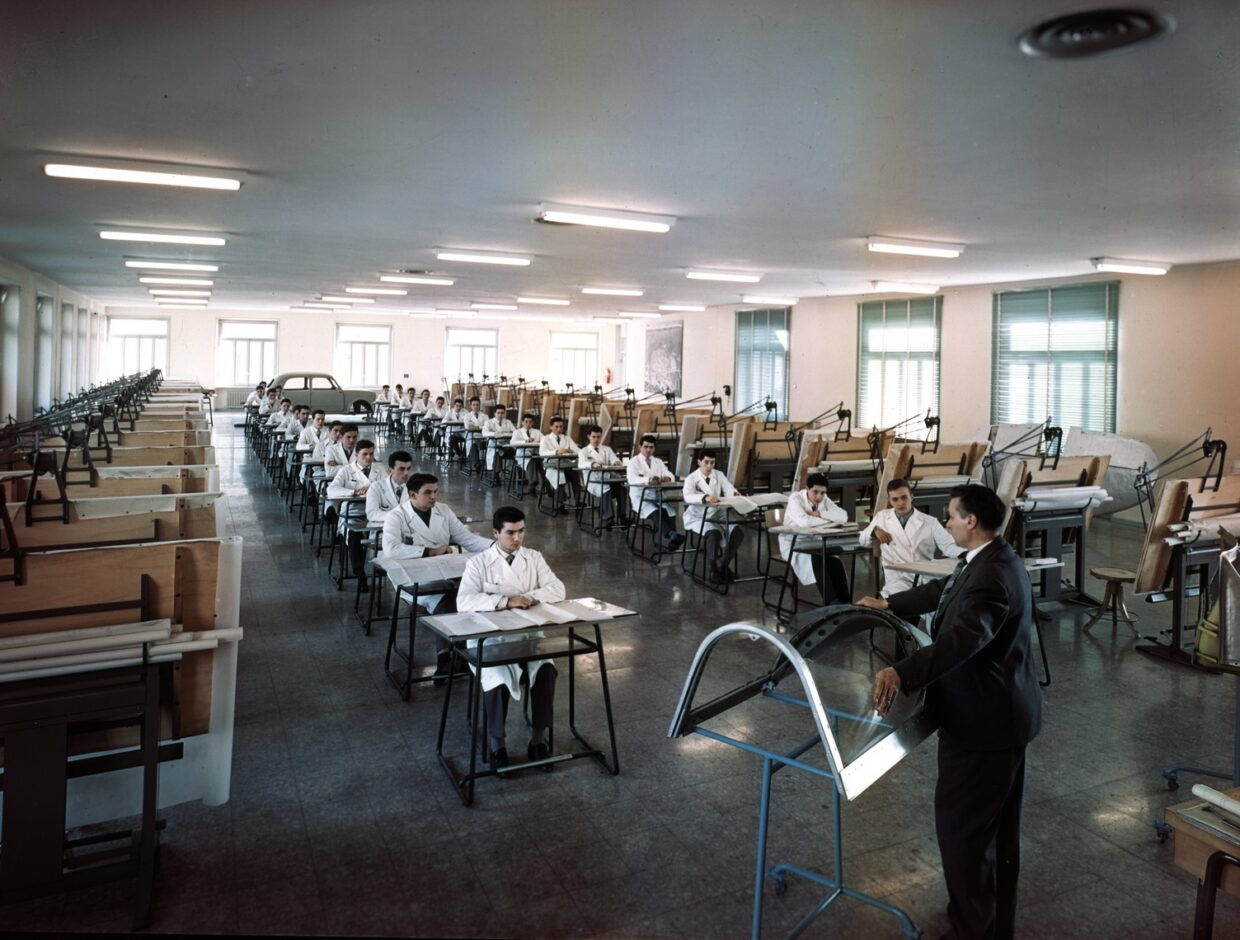
The project — developed together with the Associazione Ex Allievi Fiat — brings to light, through a collective and participatory narrative, the extraordinary twentieth-century experience of the Fiat and Lancia training schools, shaped by theory, practice, discipline and technical excellence. Conceived and curated by artist Nicola Nunziata, the project is structured around three components — a participatory call to action, an exhibition and a publication — and stands out for its unique combination of active citizenship, artistic research and participatory methodology.
Capolavori is the term used to describe the objects that students produced as technical exercises during their training, demonstrating the operational skills they had acquired. The project reinterprets them today as symbolic artefacts — fossils of individual labour. For this exhibition, the term expands to embrace a broader idea of excellence and commitment: a play on words that links the workers’ gesture to the museum dimension and gives its title to the entire research and experimental project. Through Capolavori, the Museo Nazionale dell’Automobile activates a dialogue with the local community, retrieving materials preserved in the private lives and spaces of Turin’s citizens to recount a historically significant story. The aim is to trace and acquire — through collection, digitisation and cataloguing — that portion of invisible private archives, considered complementary to official materials, scattered throughout Turin’s urban fabric and not yet brought to light.
The history of the Fiat (1922–1977) and Lancia (1923–1983) company schools is a twentieth-century story. From that century they inherited its hardships — the discipline imposed by two world wars, the widespread poverty in Italy before the economic boom — as well as its promises: the hope of a better life for the children than the one their parents had known. Both schools represented far more than simple vocational training. ‘First educate, then instruct’ was the motto of the Scuola Allievi Fiat. Theory accompanied practice — including subjects that were innovative for the time, from English to relational and communication skills that today we would describe as managerial.
The aim was to train young people who, through professional excellence and a strong sense of belonging, would become the backbone of companies capable of growing without losing their identity — a growth that, at the time, seemed destined never to end.
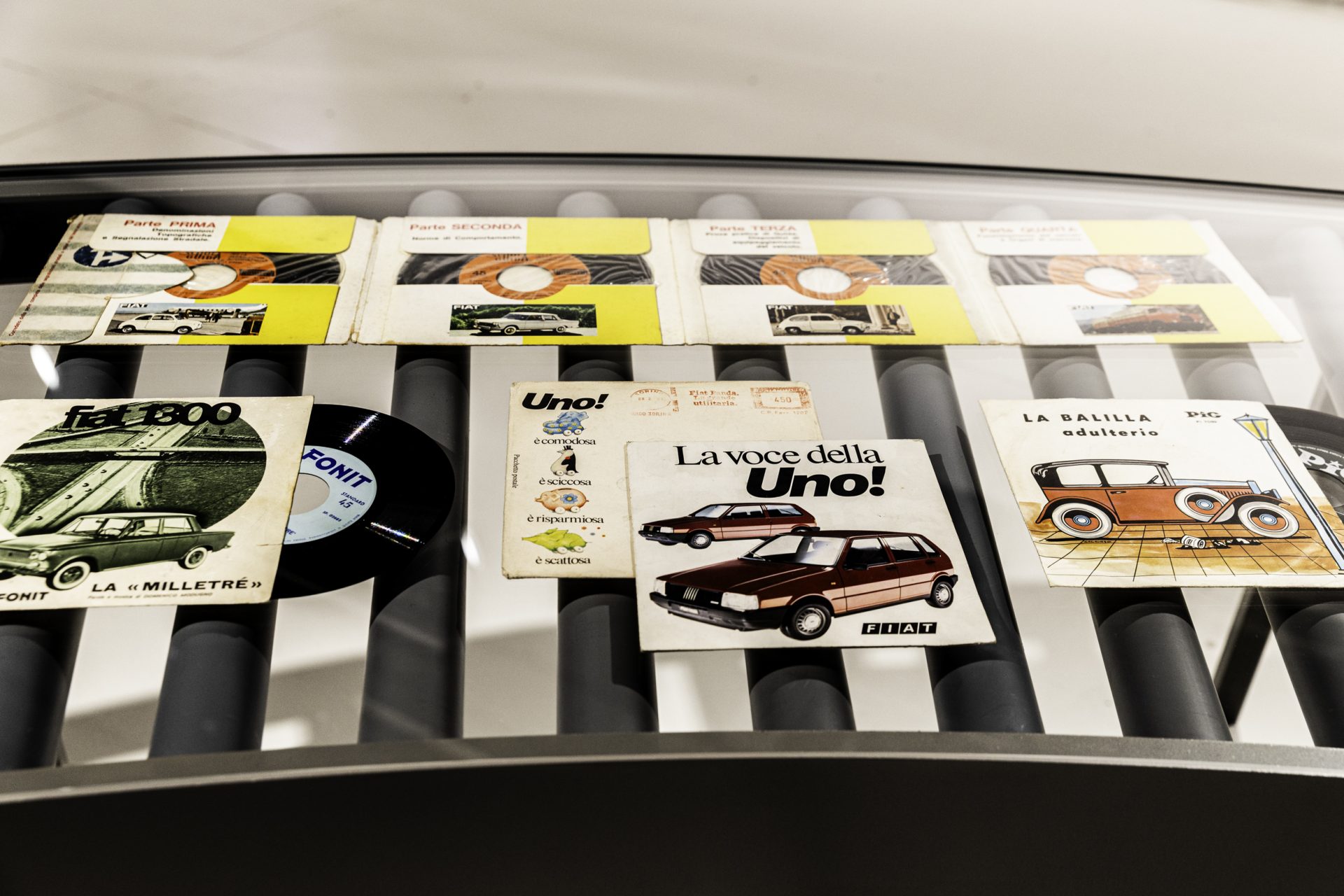
On display are archival documents and historical artefacts in dialogue with video installations, interviews and contemporary photographs of the former students. The exhibition becomes a pretext for artistic research and for questioning the archive as a material from which new artworks can be generated — a field of action where artistic practices of reuse operate through free association, hybridisation and the coexistence of different artistic languages, from photography to ready-made, from performance to video (see attachment).
The exhibition is open to the public from Friday 21 November to Sunday 22 March on the first floor of the Centro Storico Fiat, directly opposite what was once the headquarters of the Scuola Centrale Allievi Fiat at Corso Dante 103: a way to anchor the memory of the most ambitious training experience ever attempted by Italian industry to a specific place — and to a city
THE CALL TO ACTION
The exhibition represents the second phase of a project launched in spring. Starting in May, the Museo Nazionale dell’Automobile reached out — through a citywide communication campaign — to former students of the Fiat and Lancia Schools, inviting them to lend or donate photographs, objects and documents for an exhibition dedicated to the company technical schools. The aim was to trace and acquire — through collection, digitisation and cataloguing — that portion of invisible private archives, complementary to official materials, dispersed throughout the urban fabric and not yet brought to light, which will become part of the official documentation preserved in the archives.
Philosophy
Mauto Around
Il percorso espositivo si sviluppa a partire da un approccio polidisciplinare, ben rappresentato dal team di co-curatori che hanno affiancato Giuliano Sergio: Davide Lorenzone e Ilaria Pani, rispettivamente Conservatore e Responsabile del Centro di Documentazione del MAUTO; Maurizio Torchio, Responsabile Centro Storico Fiat e Roberto Giolito, Head of Heritage Stellantis Italy. Insieme a loro, in qualità di esperti dei rispettivi campi d’indagine e autori dei saggi in catalogo: Clino Trini Castelli, Designer, Maurizio Cilli, Architetto e Artista, Mauro Coppini, Giornalista, Manuel Orazi, Architetto e Roberto Vaccà, Pubblicitario.
ALLESTIMENTO
Cars
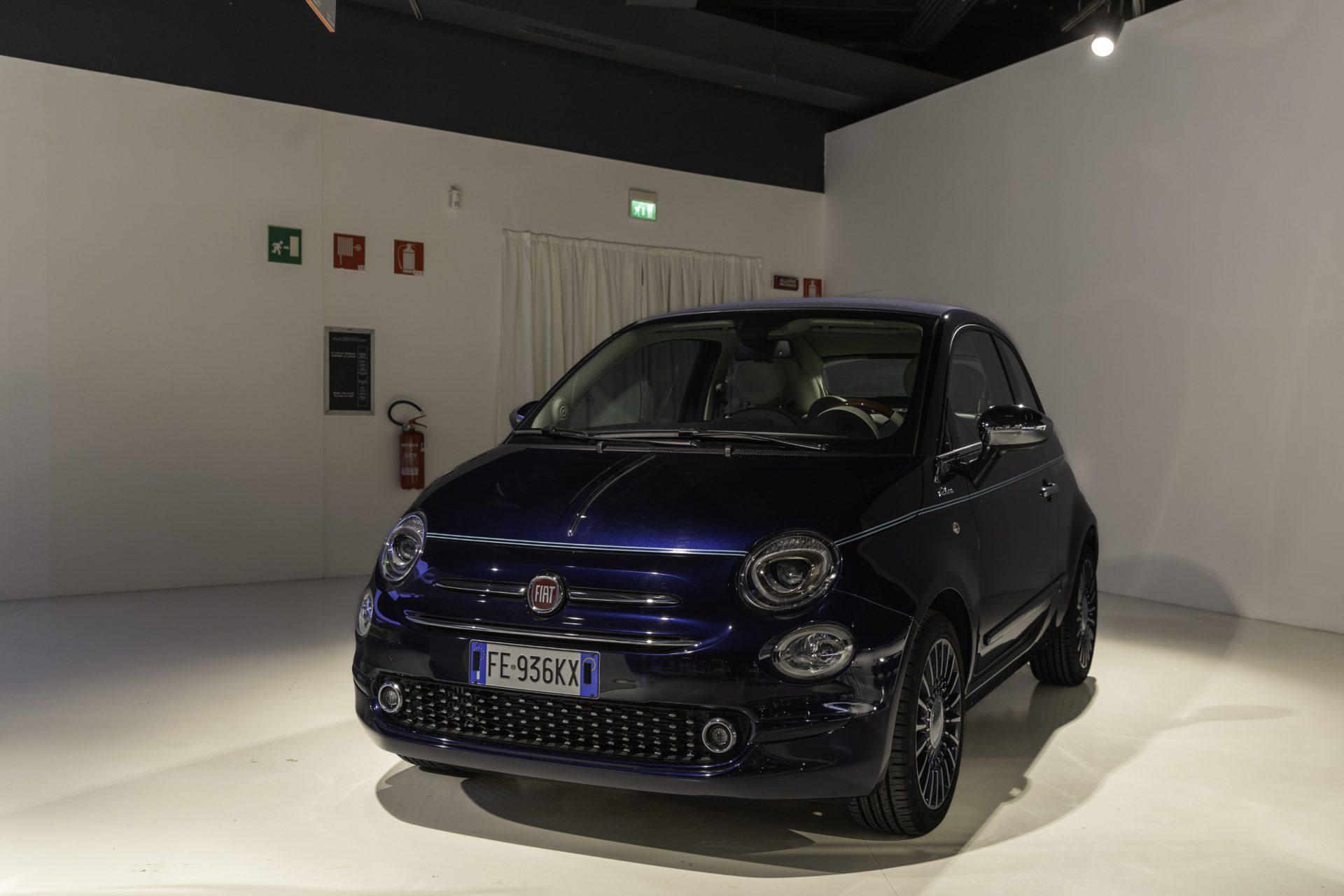
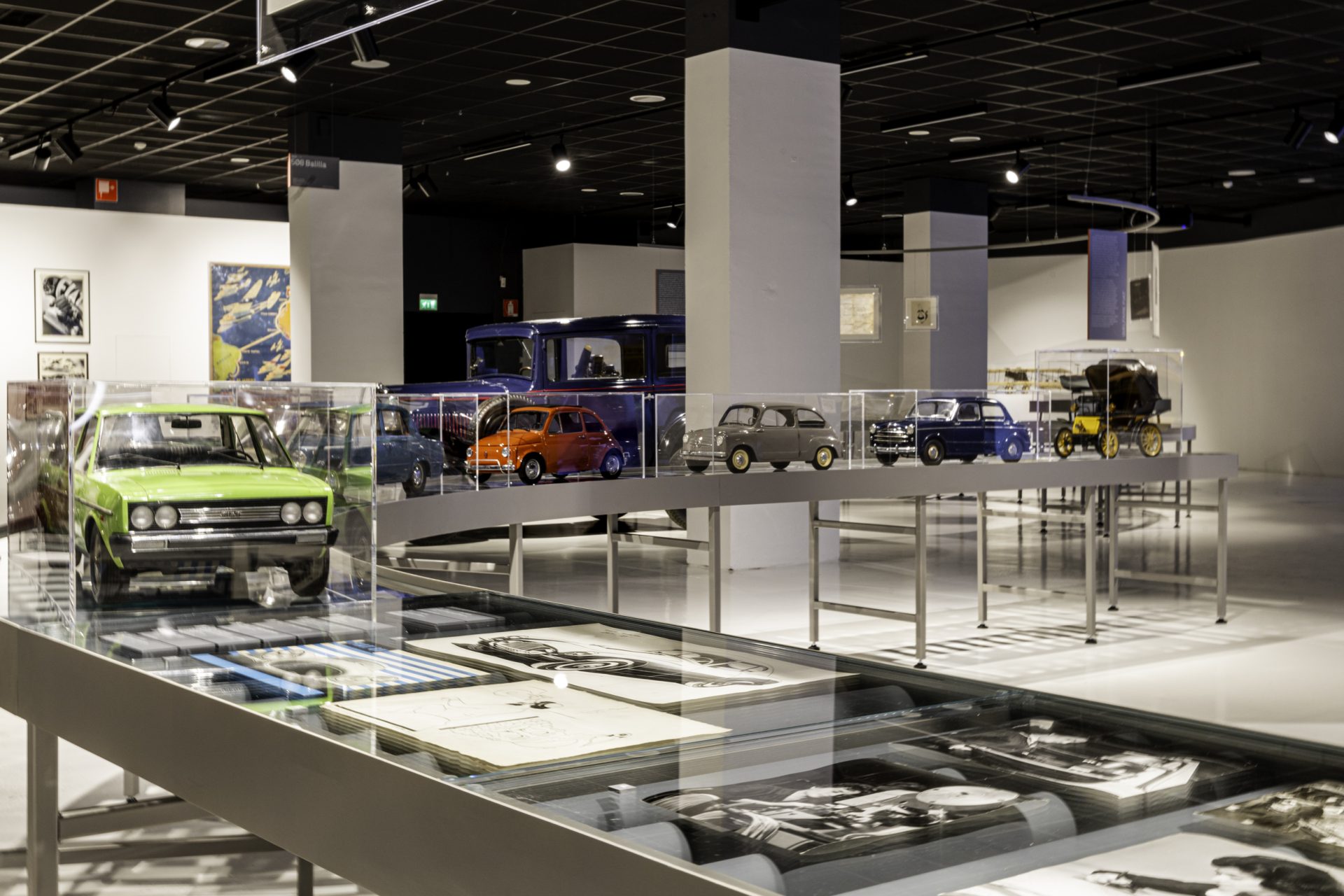
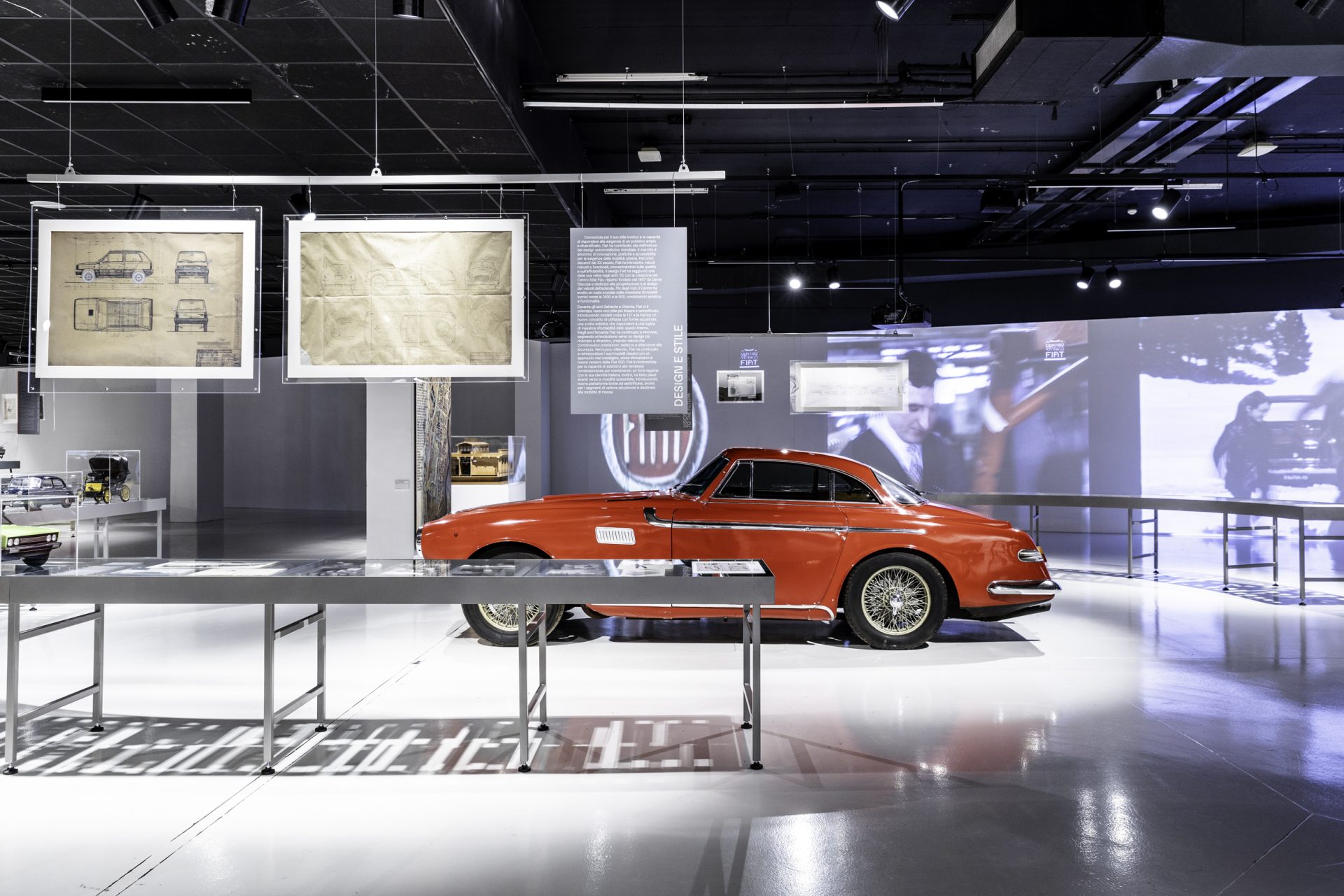
In esposizione al MAUTO, nove vetture rappresentative della storia del celebre marchio italiano: la Eldridge Mefistofele del 1923 che, con la sua silhouette slanciata e la sua mole possente, segna uno dei primi esempi di vettura da record; la 508 Balilla del 1932, vettura compatta ed economica che rappresenta il passaggio dalla produzione di automobili per élite a un’idea di mobilità per le masse; la 500 A Topolino del 1936, rivoluzionaria nel design e pensata per offrire una soluzione di mobilità agile e scattante che avrebbe ispirato generazioni di city car; la 8V prodotta tra il 1952 e il 1954 per un pubblico esclusivo; la 600 del 1955, caratterizzata da un’architettura semplice ma innovativa e progettata per rendere la vita dell’utente più facile e piacevole; la 124 Abarth del 1973 vettura che incarna l’essenza delle auto da competizione; la X1/23 prototipo del 1974, avanzata concept car elettrica a 2 posti che anticipa il futuro della mobilità sostenibile grazie alla sua propulsione a zero emissioni e al design leggero e ultracompatto; la Panda 30 del 1982, considerata, insieme alla 500, l’utilitaria italiana per eccellenza; la 500 Riva del 2016, un gioiello esclusivo per amanti del lusso dal design ricercato. “Special guest” la Nuova 500 “La Prima” cabrio, rilettura in chiave sostenibile e altamente tecnologica di un’icona senza tempo del design italiano.
BEYOND CARS
Artworks
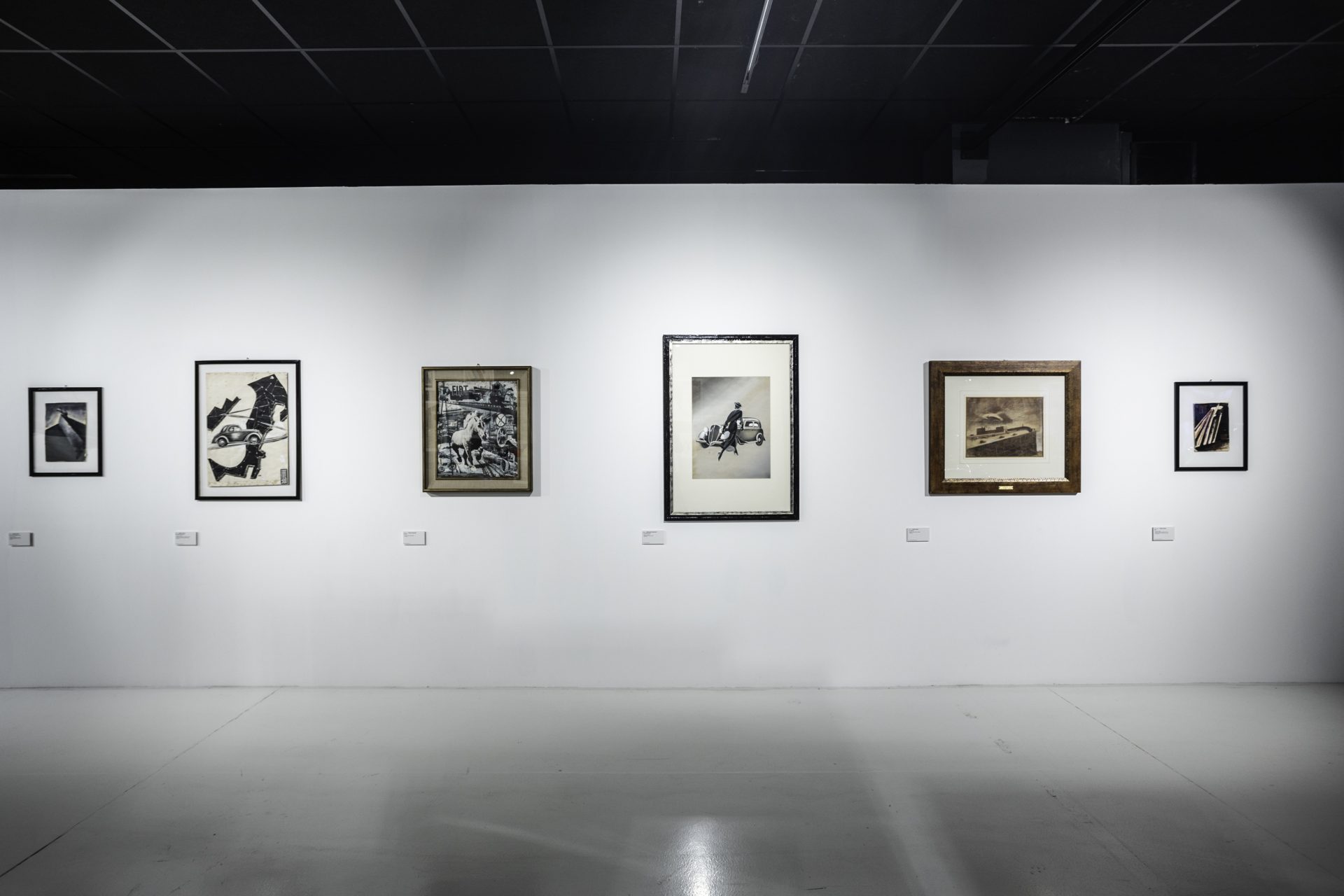
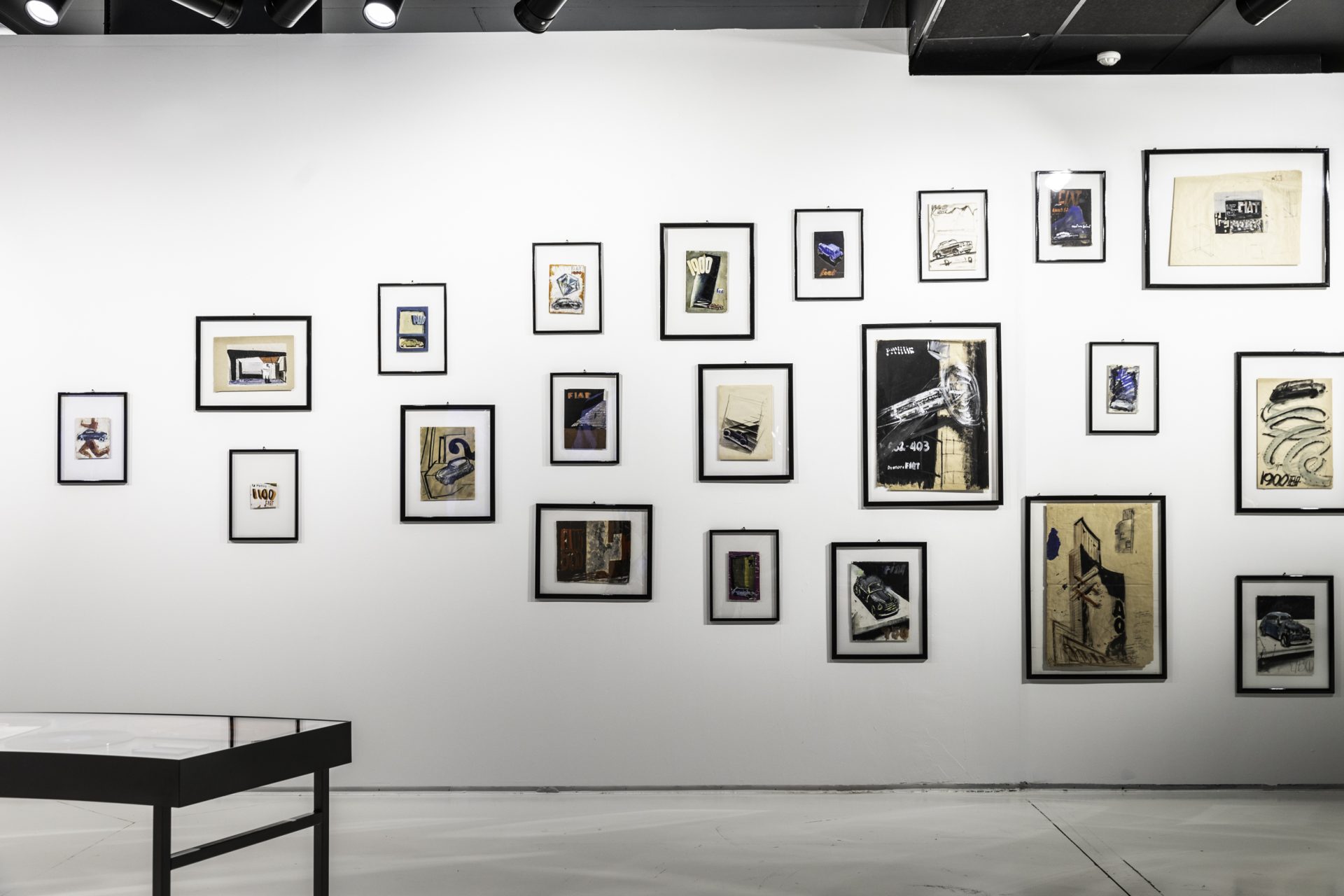
Le vetture esposte sono corredate da una vasta selezione di opere d’arte, documenti d’archivio, materiali grafici, fotografici e audiovisivi d’eccezione che contribuiscono a definire l’immaginario visivo dell’azienda: dai manifesti e bozzetti pubblicitari di inizio secolo realizzati, tra gli altri, da Leopoldo Metlicovitz e Plinio Codognato – nei quali si compie il transito dalla cultura estetica liberty all’abbagliante potenza delle nuove possibilità tecniche e meccaniche che ispireranno il futurismo – alle opere pittoriche di Mario Sironi, Carlo Carrà e Felice Casorati che offrono una straordinaria rappresentazione della modernità immaginata da Fiat tra le due guerre; dai disegni di Marcello Dudovich e Giuseppe Romano che portano alla ribalta la figura femminile, protagonista della modernità degli Anni Venti, a una serie di fotografie scattate da Luigi Ghirri a Palazzo Grassi negli Anni Novanta.
ALLESTIMENTO
Il progetto di allestimento
Il progetto di allestimento della mostra, realizzato dallo studio Leftloft, interpreta alcune delle caratteristiche genetiche della Fiat attraverso scelte semplici e funzionali riproposte in chiave innovativa. Una catena di montaggio, appositamente reinterpretata, si svolge nello spazio interrompendosi e ricominciando in un gioco di rimandi e portando con sé testimonianze e immagini come molecole distintive di un DNA articolato e complesso, in un percorso di focus tematici. Tutto intorno, una proiezione immersiva e cangiante fa da scenografia di contesto, raccontando lo scorrere di 125 anni di cambiamenti sociali, di personaggi, di stili di vita, di accadimenti storici che si sono intrecciati con la storia della Fiat.
SPIN OFF
Centro Storico Fiat
From December 2024 to October 2025, Centro Storico Fiat hosts the exhibition project Memory and conflicts, spin-off of the exhibition 125 times Fiat. Modernity through the Fiat imagery.
Centro Storico Fiat preserves more than two thousand images and three hundred folders of documents dedicated to the theme of conflict. Strikes, demonstrations, disputes, leaflets, company announcements, throughout the twentieth century. Some of this material was collected by those who had the task of ensuring corporate security. Photos taken from behind the office windows down and outside of who was pressing at the gates. The collection of flyers, unique in its kind, is particularly striking. Day by day, through the decades, the overseers – with more care than any archivist – wrote down and attached all the leaflets launched, distributed or found inside and outside the factories. Sometimes they marked the exact place and time: a specific Mirafiori door; a workers’ or employees’ bathroom; a banner, the workshop.
We thank: Associazione culturale Vera Nocentini, Fondazione di studi storici Gaetano Salvemini, Fondazione Istituto piemontese Antonio Gramsci, Gruppo Dirigenti Fiat, ISMEL – Istituto per la Memoria e la Cultura del Lavoro, dell’Impresa e dei Diritti Sociali.
Beyond the exhibition
The catalogue
Accompagna la mostra il catalogo Skira Arte nel quale un ricco e significativo apparato iconografico – fatto di immagini d’epoca, disegni, fotografie, bozzetti e manifesti – accompagna i contributi di Giuliano Sergio, Maurizio Cilli, Mauro Coppini, Roberto Giolito, Manuel Orazi, Clino Trini Castelli e Roberto Vaccà.
Utilizziamo i cookie per fornirti una migliore esperienza utente. Cliccando su "Accetta tutti" acconsenti l'utilizzo di tutti i cookie; in alternativa puoi cliccare sulla sezione "Preferenze cookie" per controllare i consensi.
This website uses cookies to improve your experience while you navigate through the website. Out of these, the cookies that are categorized as necessary are stored on your browser as they are essential for the working of basic functionalities of the website. We also use third-party cookies that help us analyze and understand how you use this website. These cookies will be stored in your browser only with your consent. You also have the option to opt-out of these cookies. But opting out of some of these cookies may affect your browsing experience.