TORINO-TOGLIATTI 1966-2026. A Factory Built Fast and Big
22 May – 4 October 2026
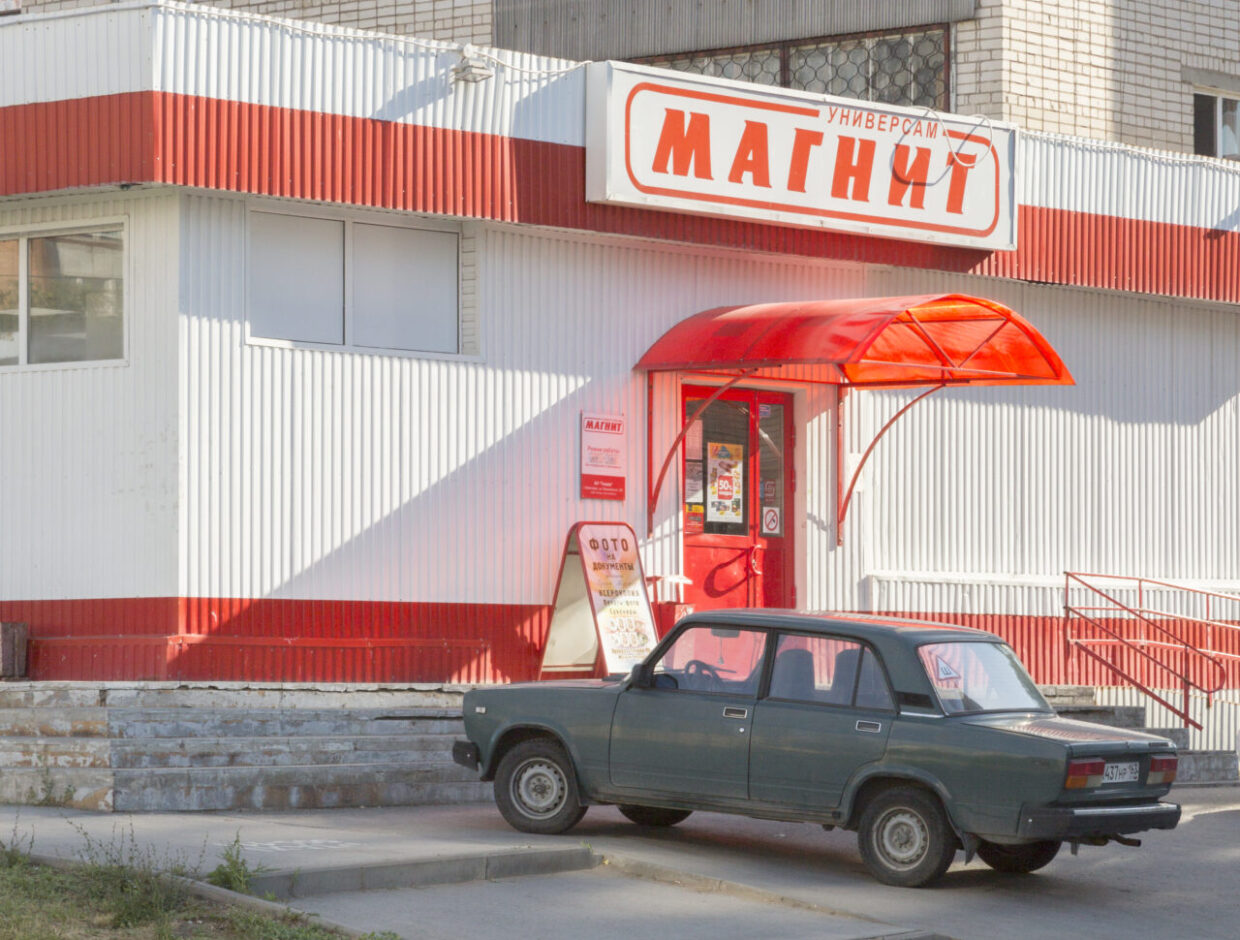
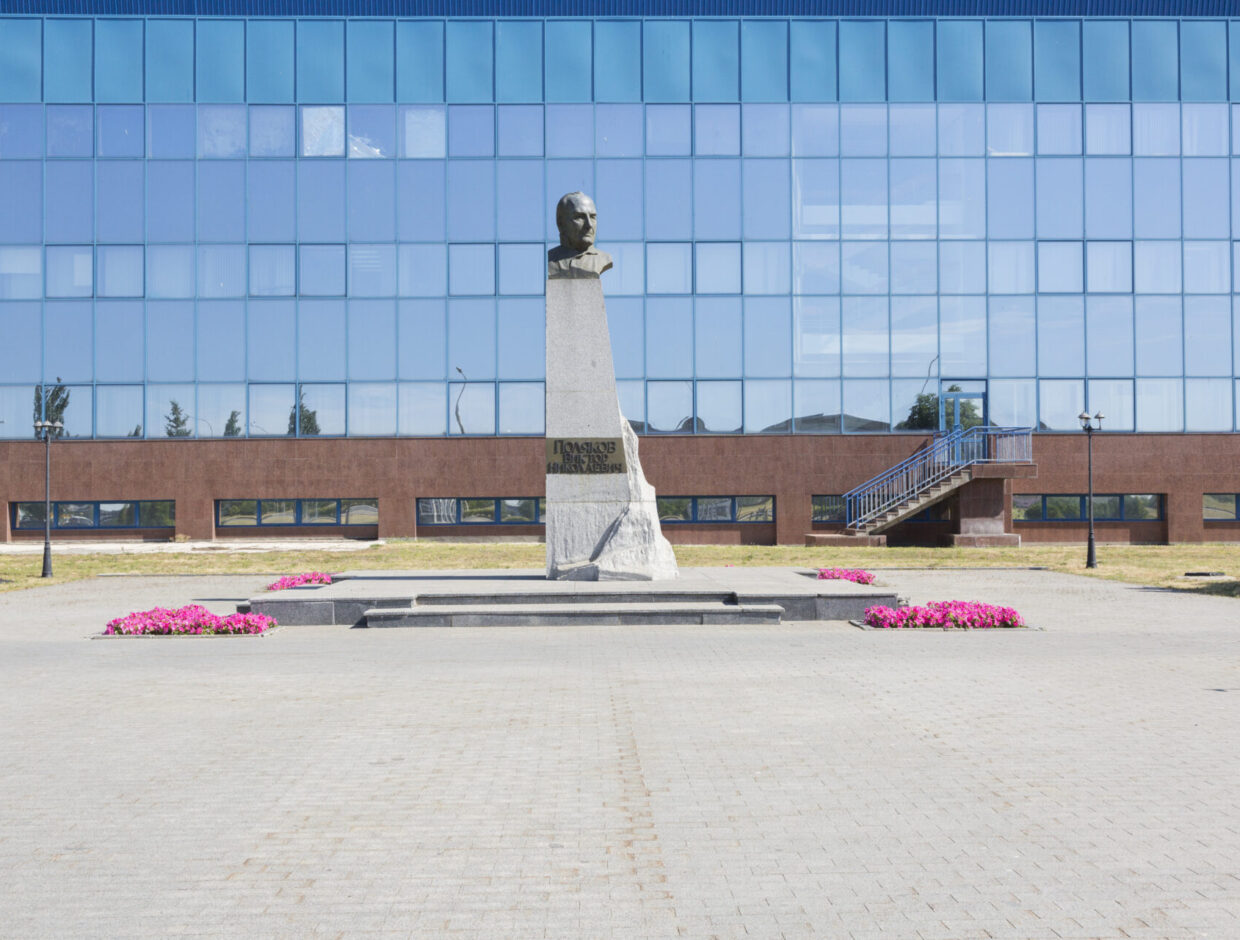
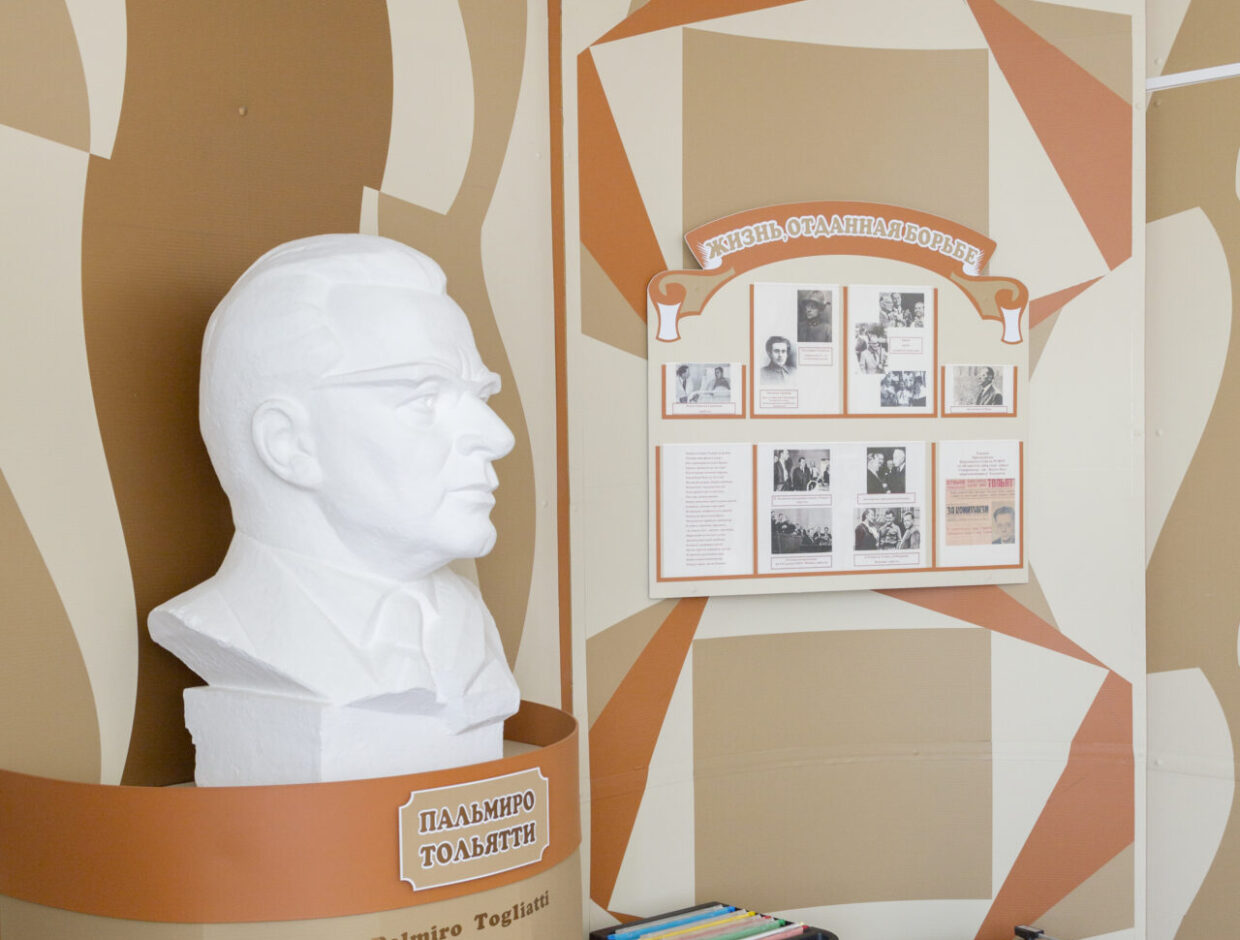
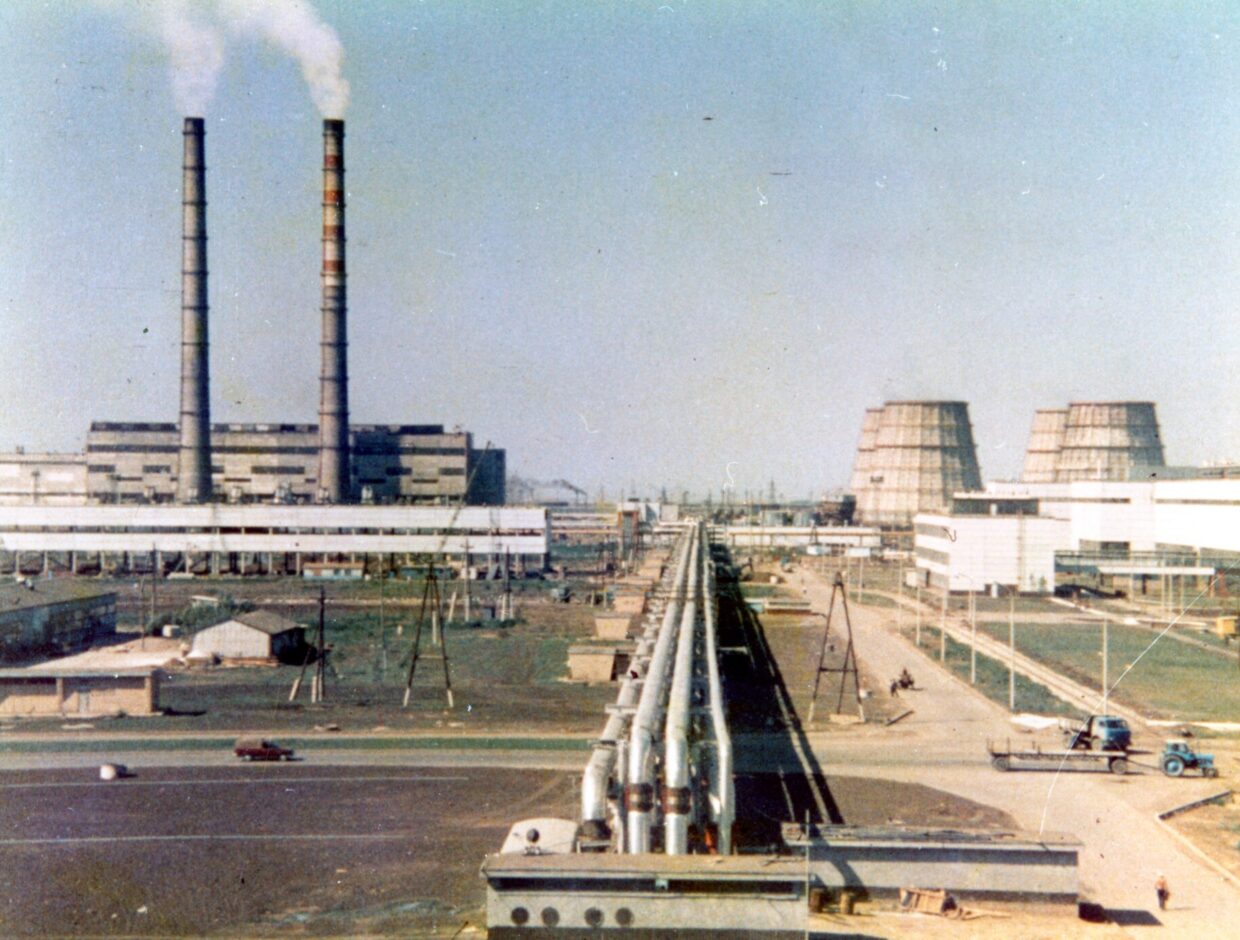
It was one of the last great industrial enterprises of the second half of the twentieth century. Sixty years ago, FIAT president Vittorio Valletta signed an agreement with the Soviets for the construction of an automobile manufacturing plant in the city of Togliatti. Claudio Giunta and Giovanna Silva returned there to document that undertaking — and what came after. Exhibition curated by Claudio Giunta and Giovanna Silva with Maurizio Torchio.
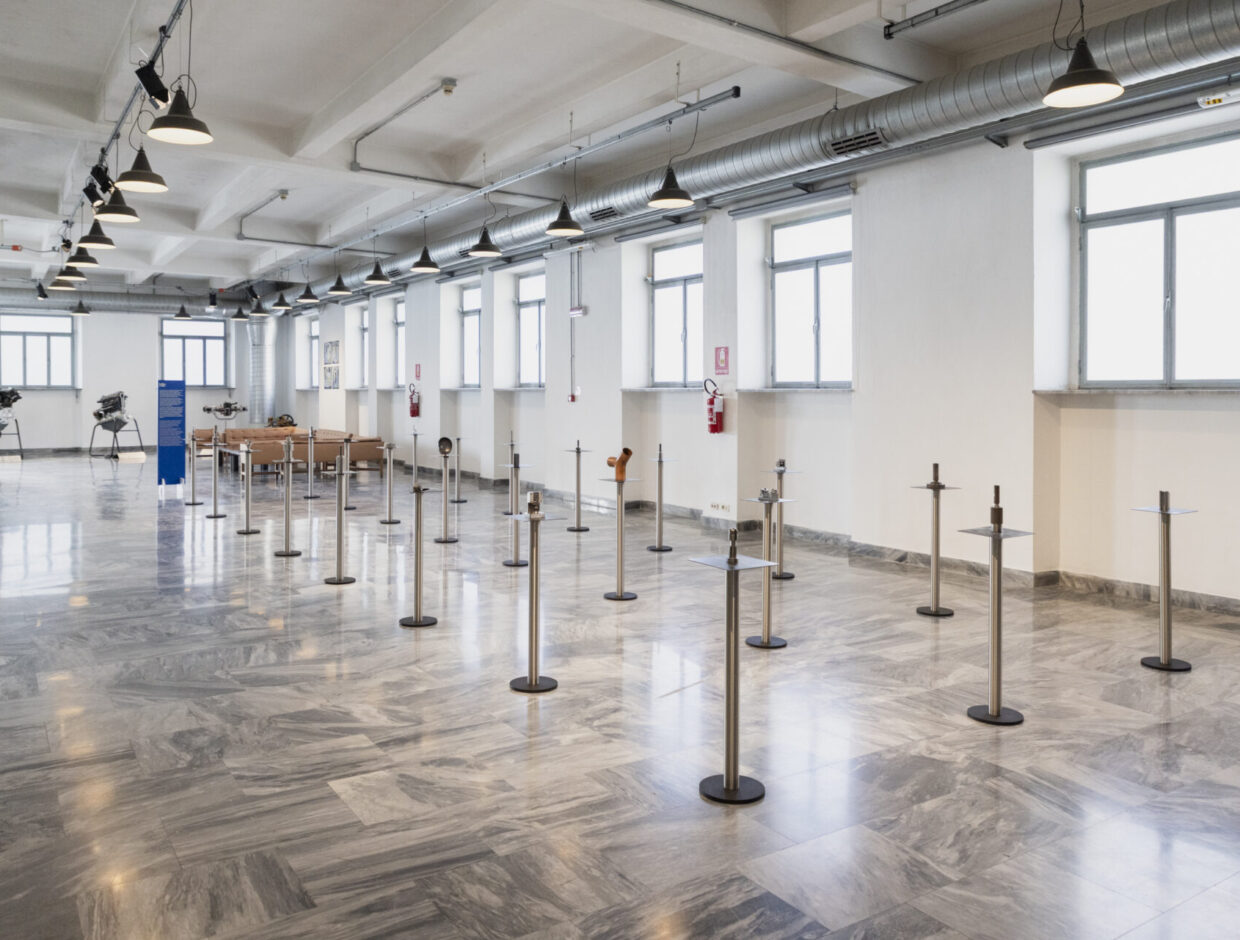
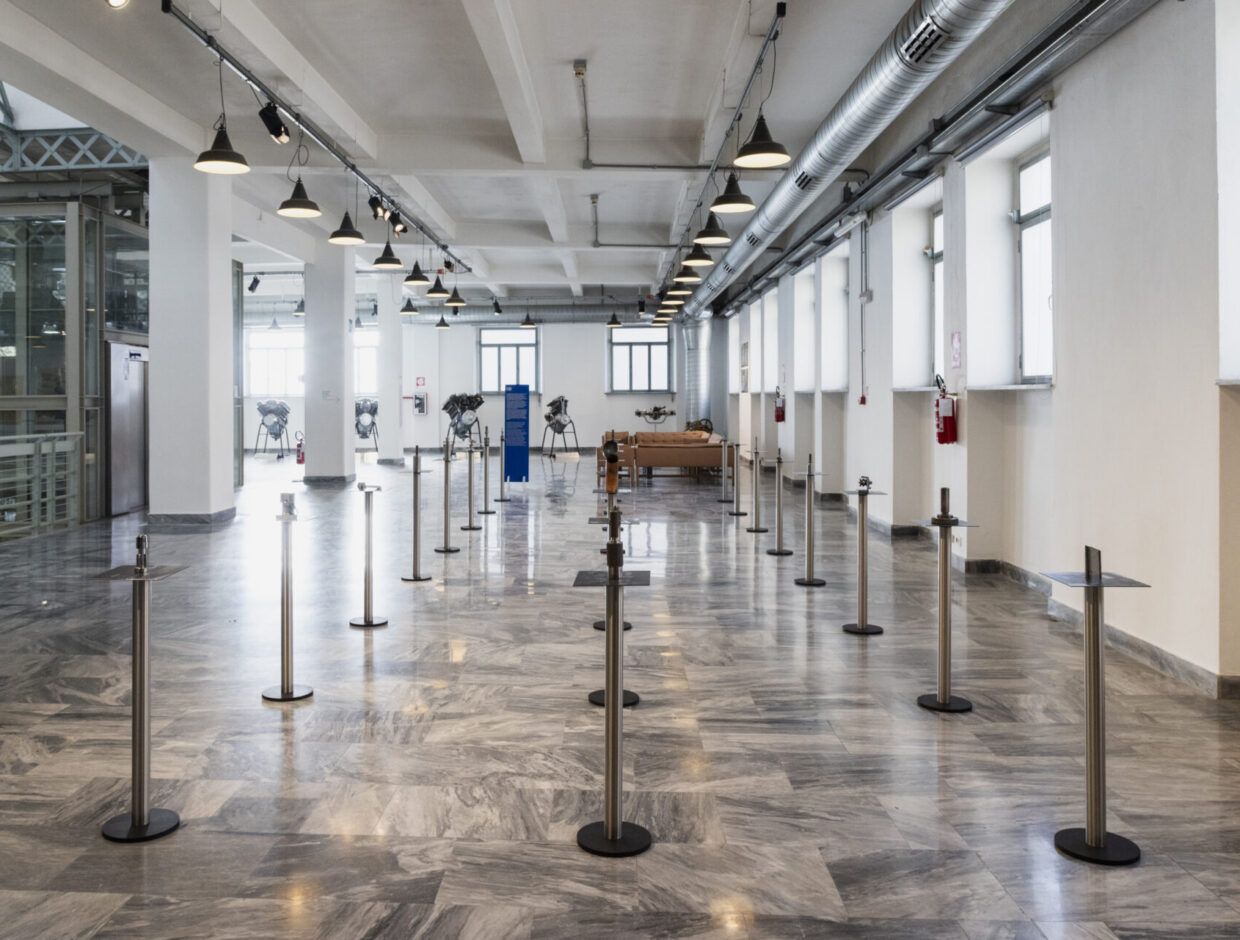
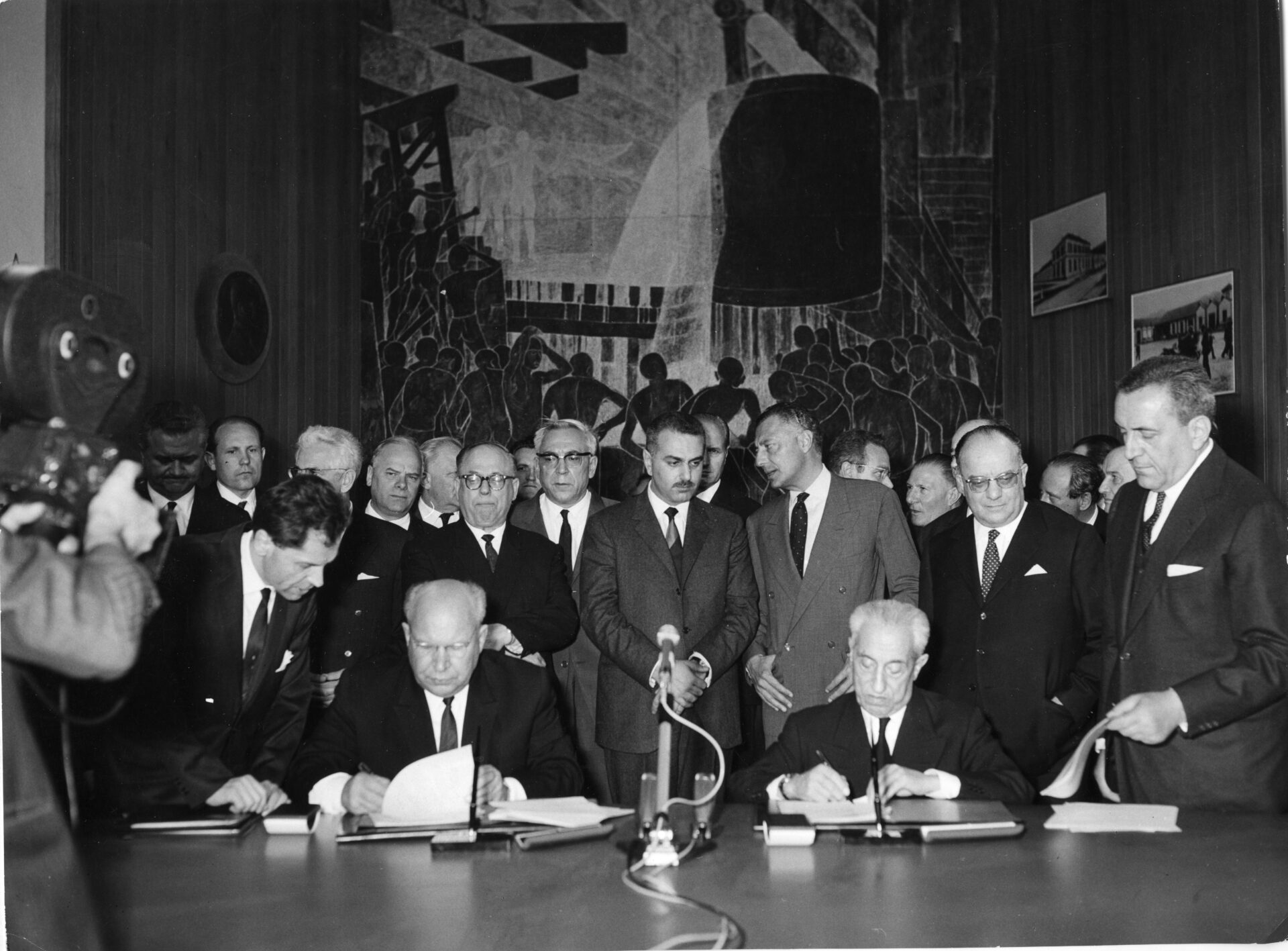
Installed at the Centro Storico Fiat — where, in May 1966, the historic agreement regulating the collaboration between Italy and the Soviet Union for the construction of the AutoVAZ plant was signed — the exhibition retraces the events that enabled FIAT to “put the Soviets behind the wheel”: not only an episode of industrial history, but also one of the boldest operations of parallel diplomacy during the Cold War, involving major international figures of the time, from Khrushchev to Kosygin, from Kennedy to Secretary of Defense McNamara
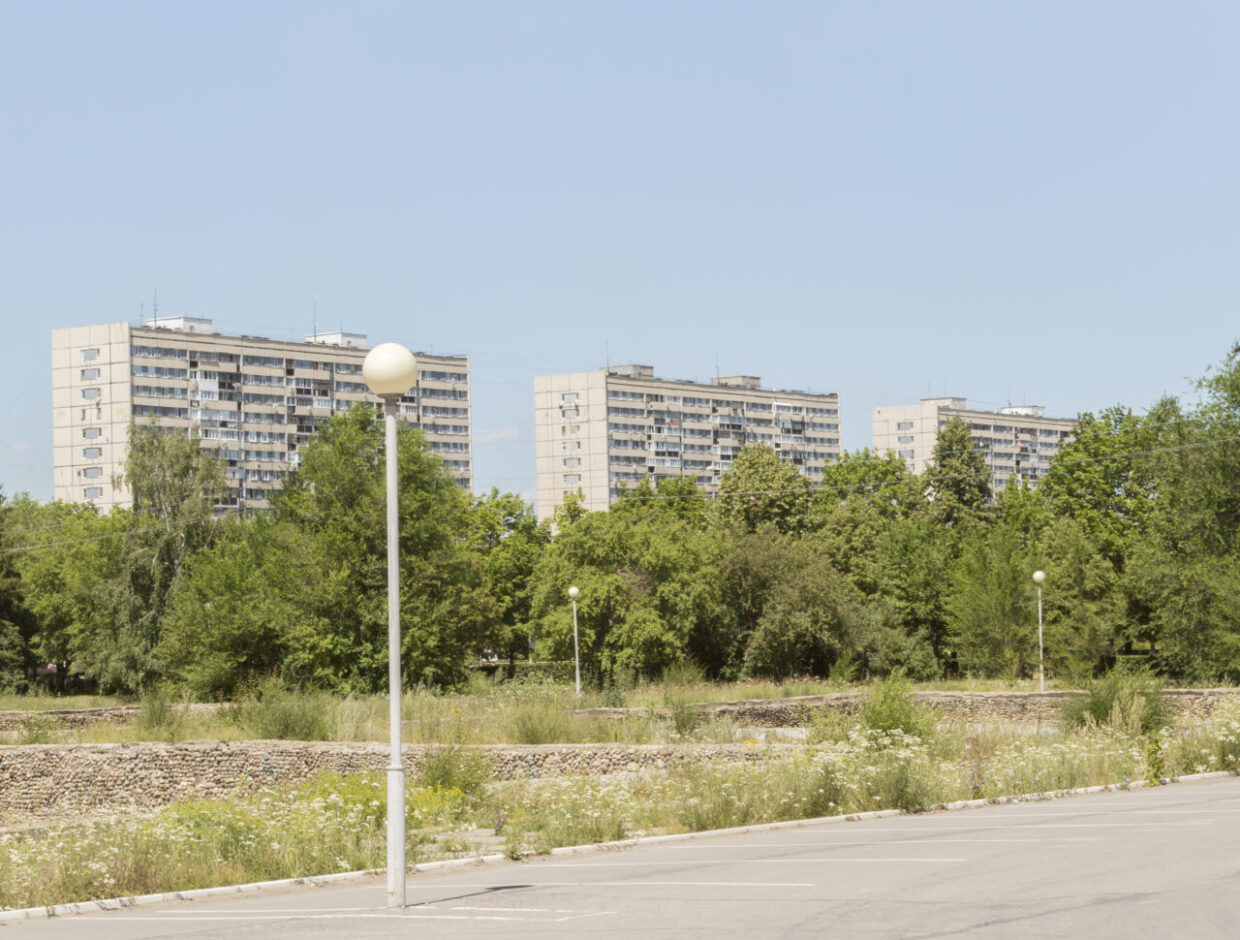
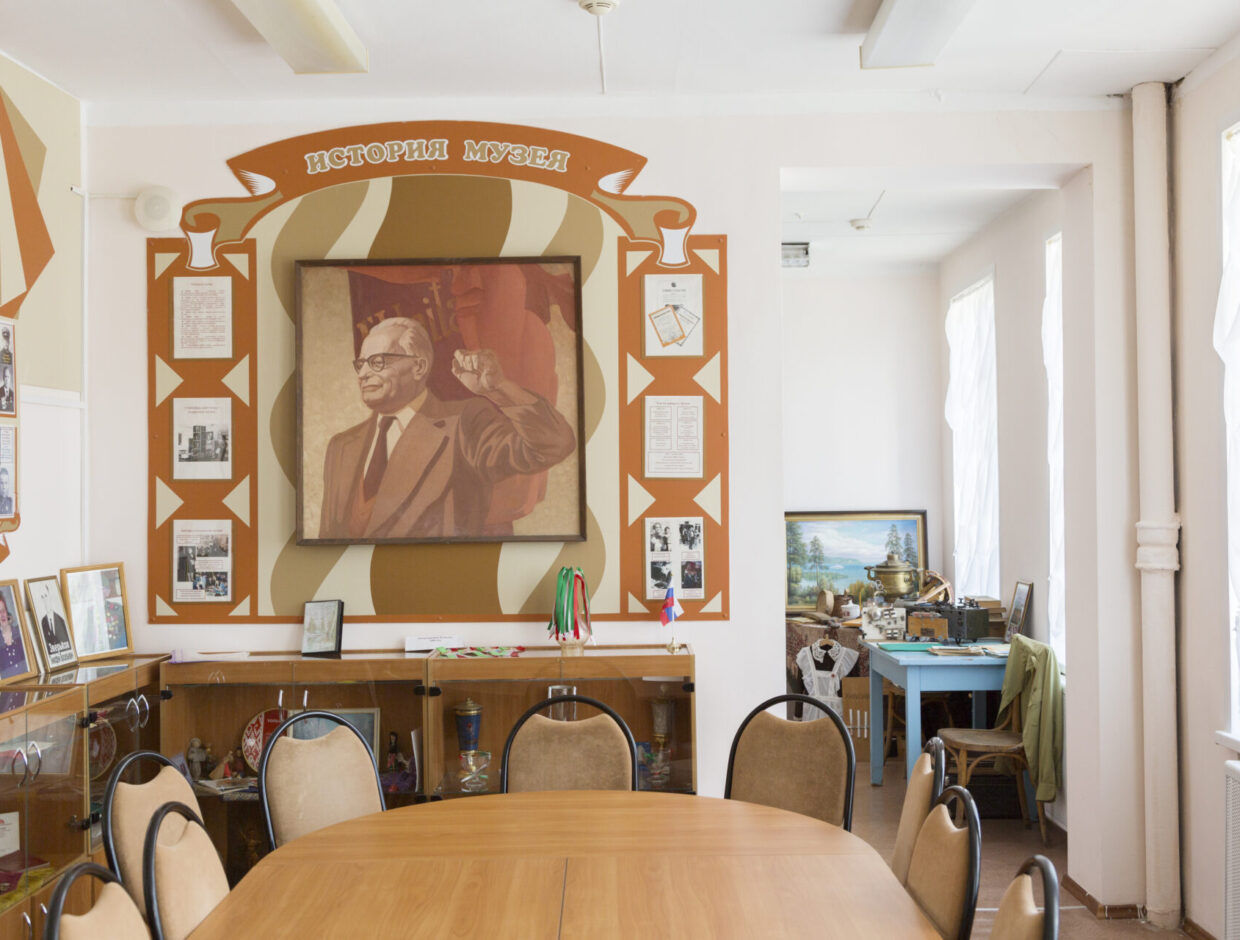
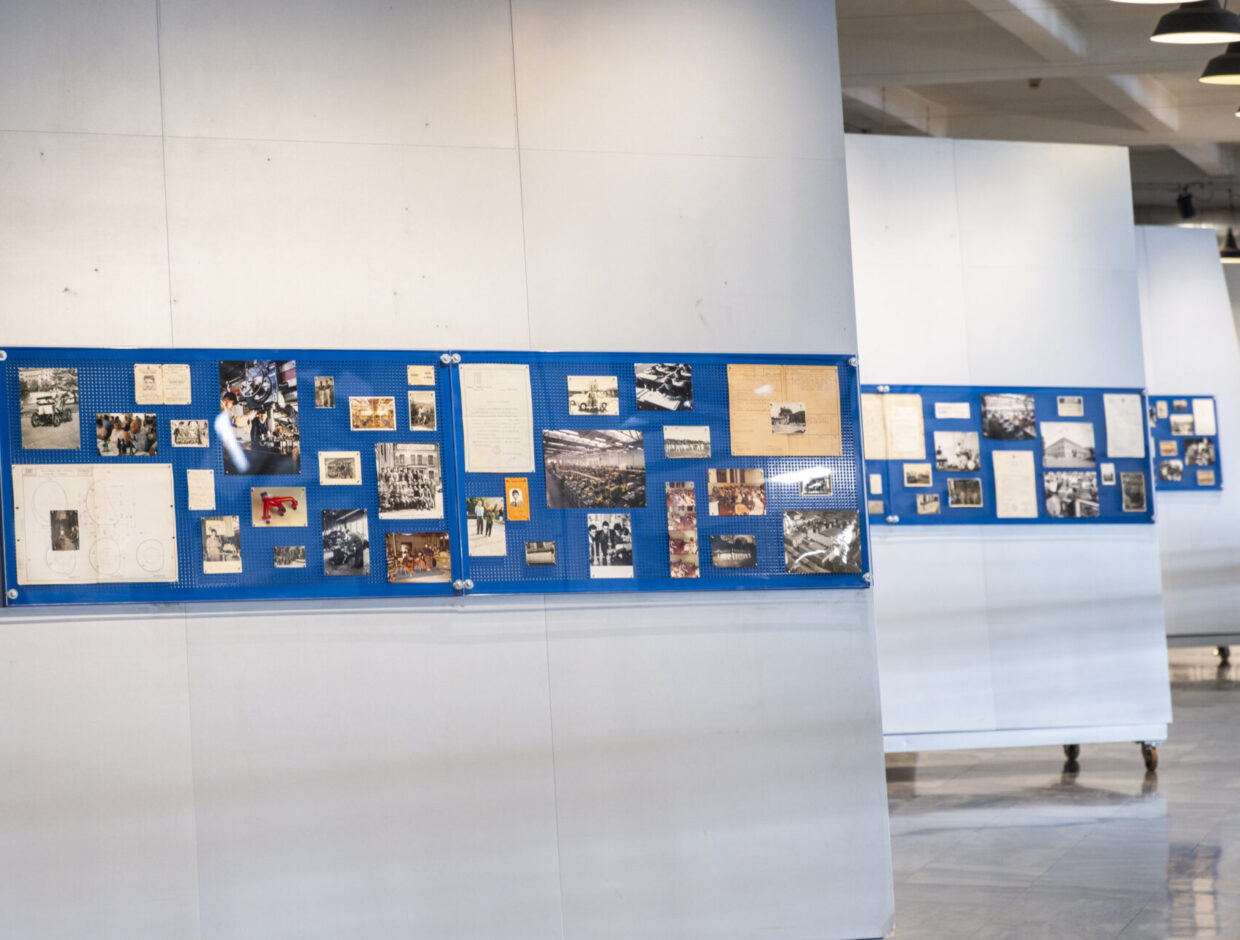
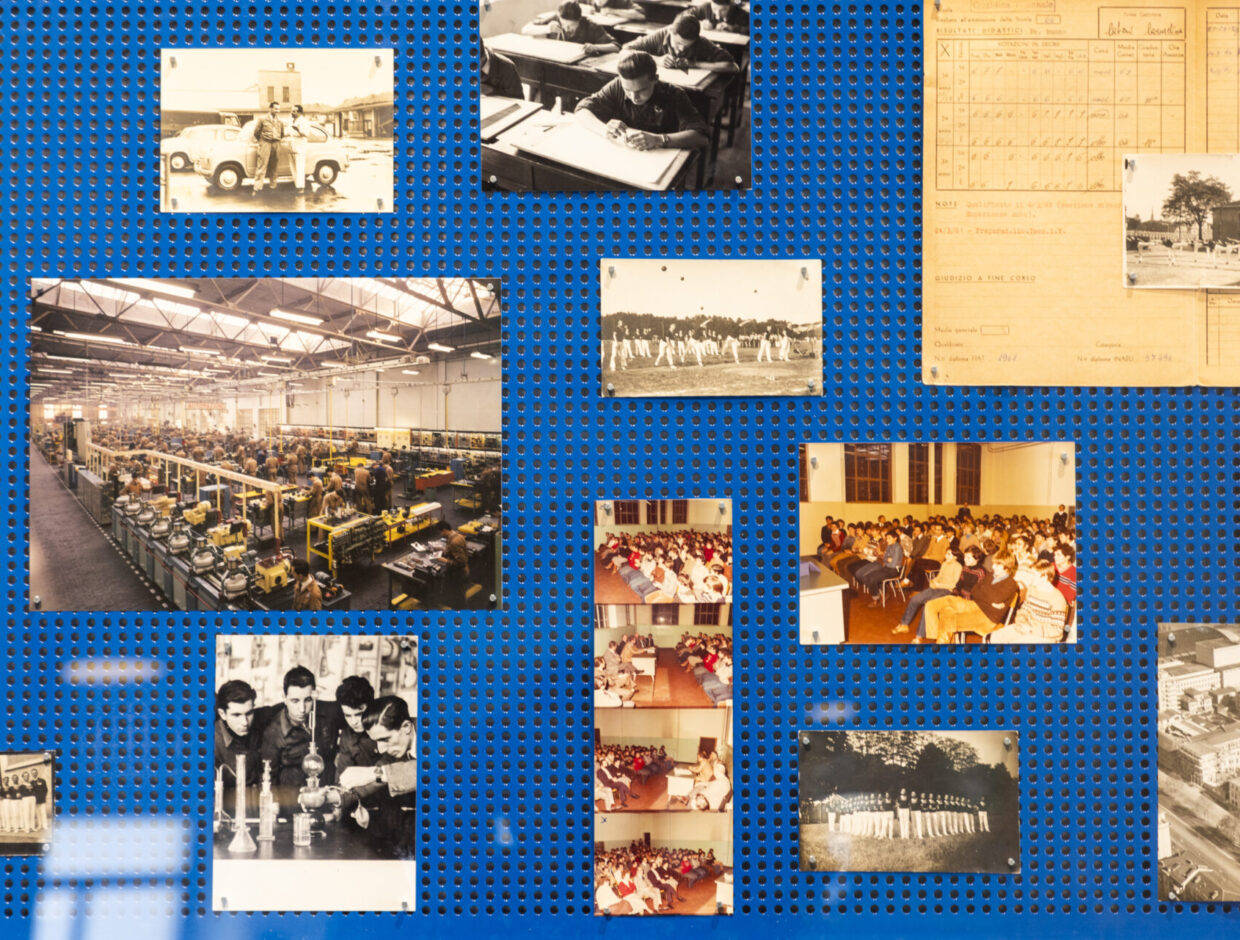
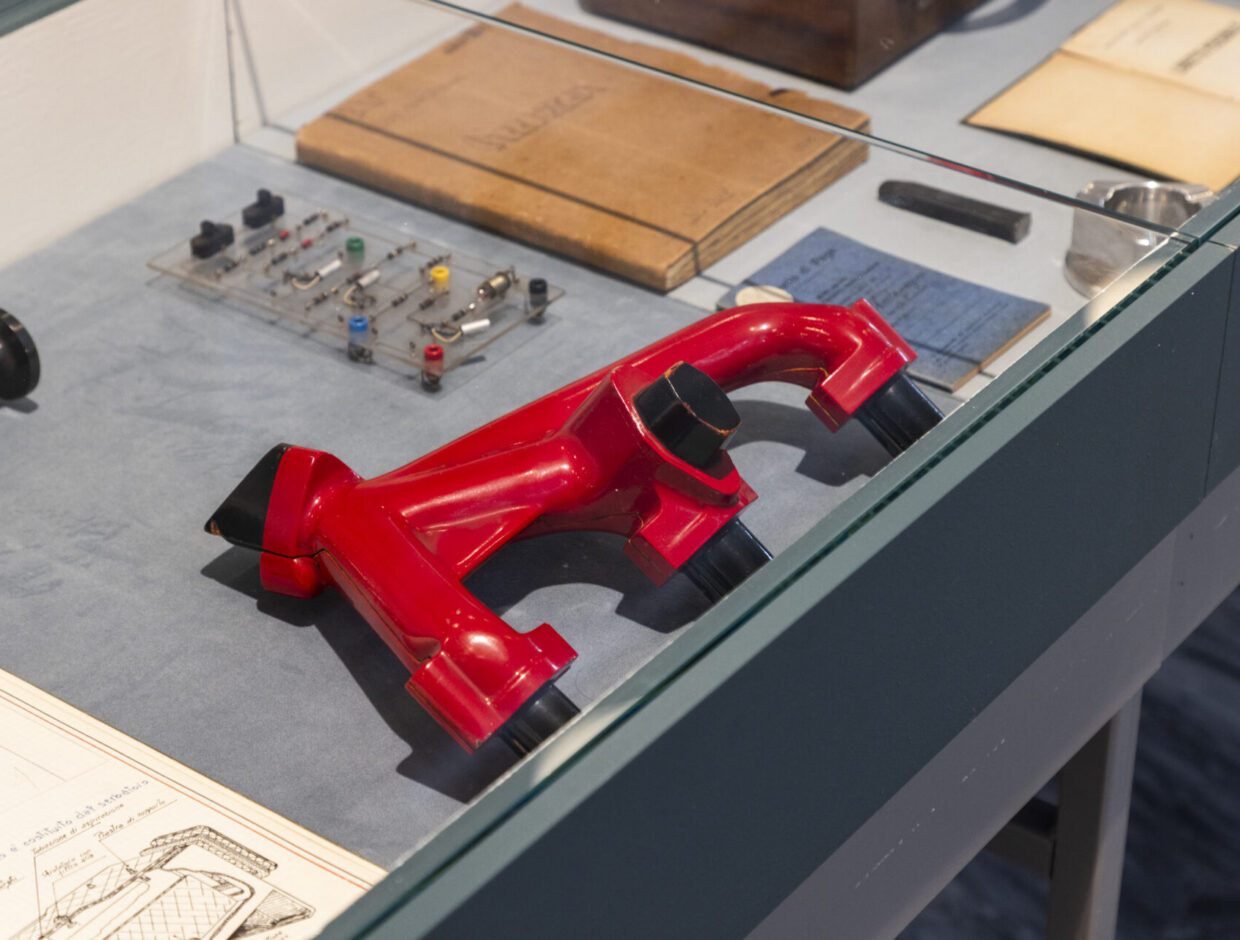
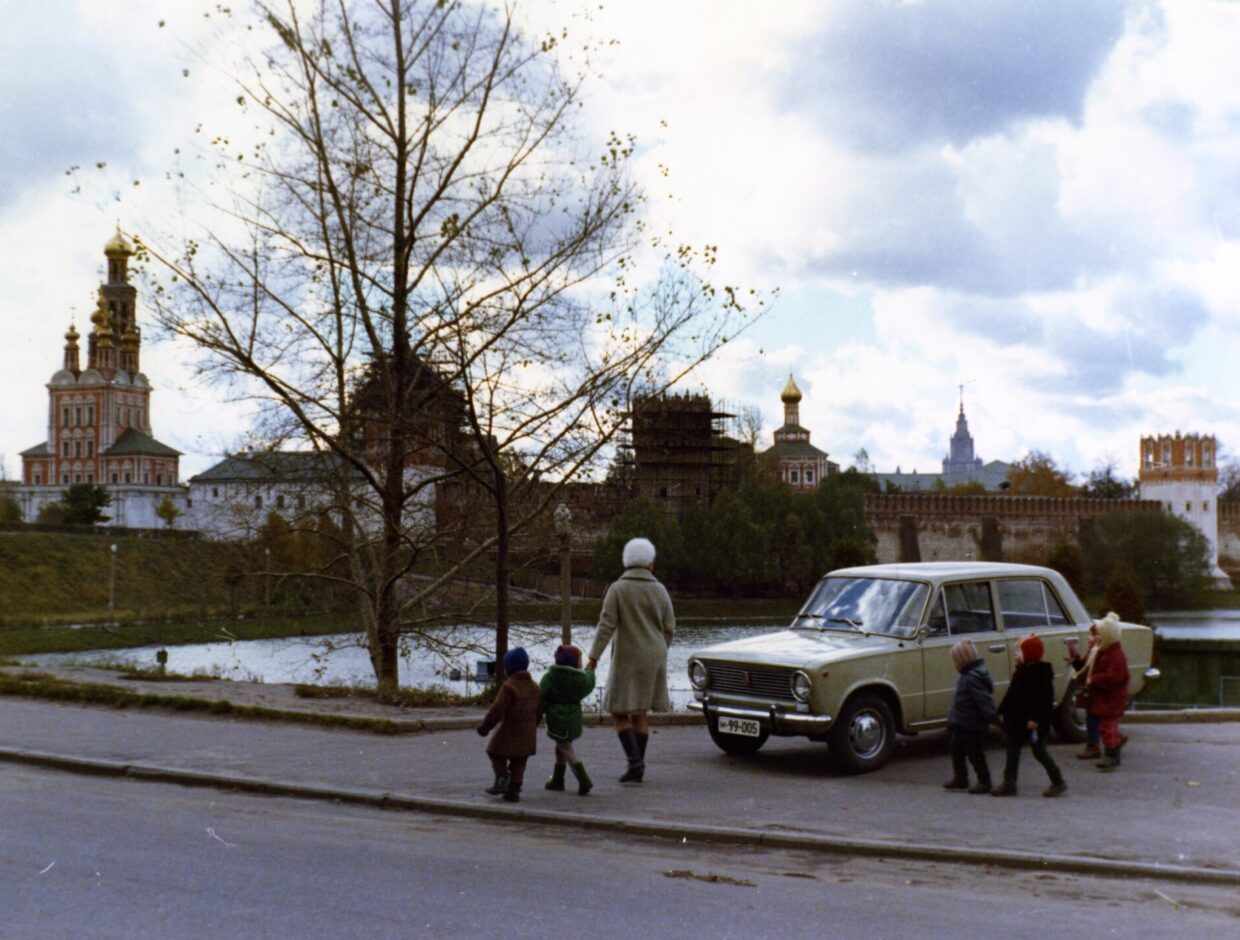
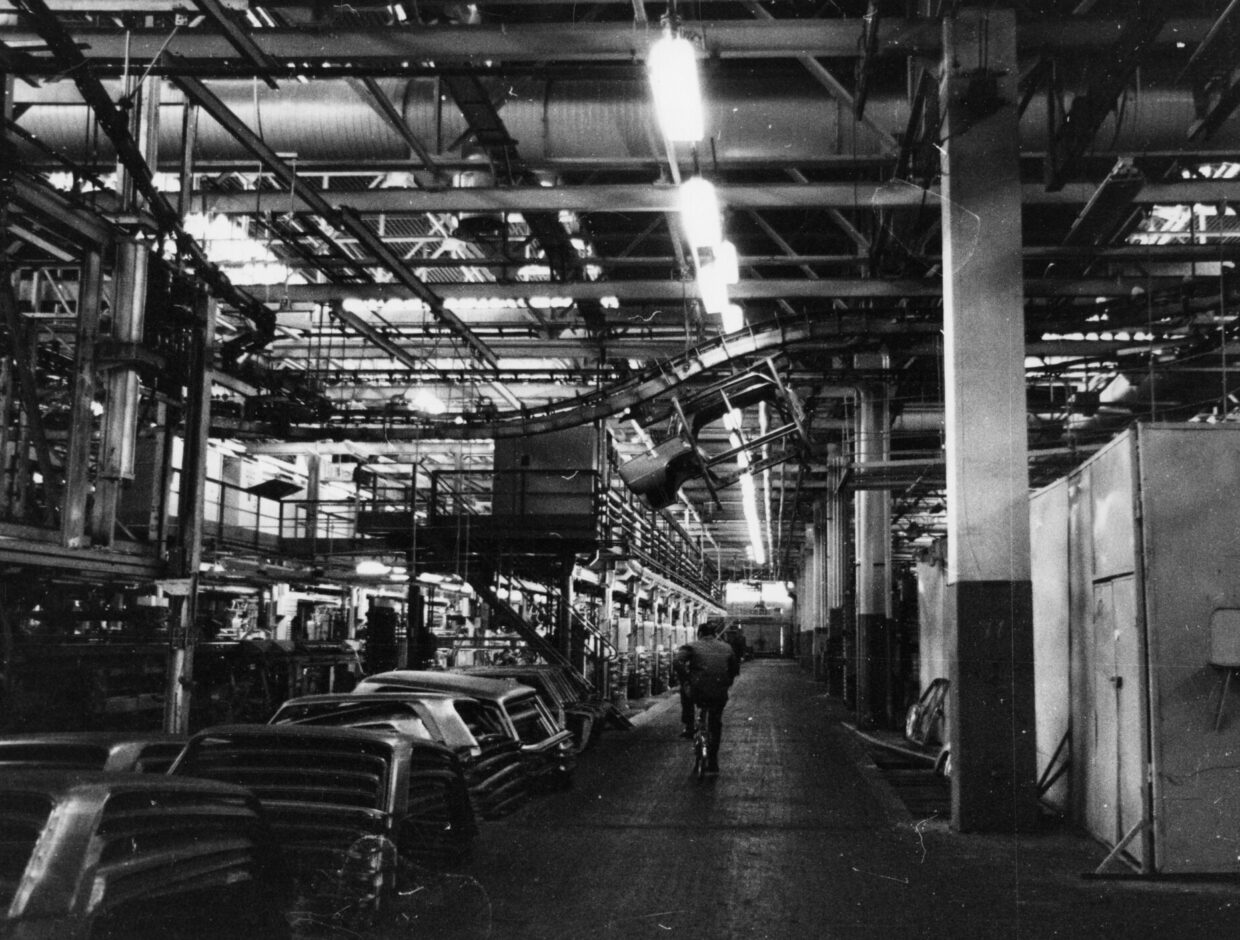
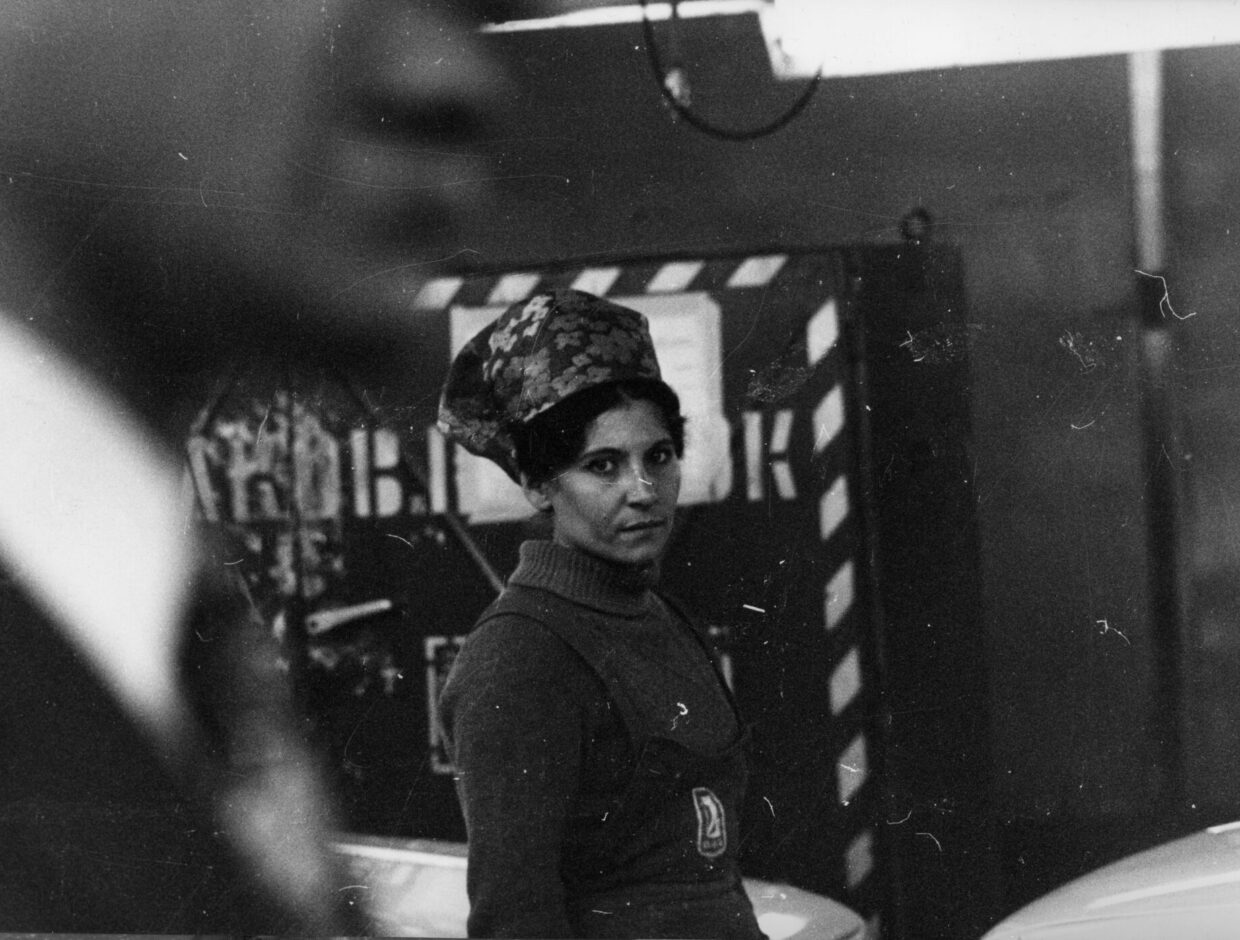
The exhibition intertwines two narrative layers. On one side, the historical documentation preserved in the archives of the Centro Storico Fiat — photographs, administrative papers, technical reports, telegrams, drawings, and correspondence — reconstructs the political, industrial, and human context surrounding the birth of the AutoVAZ plant and the city of Togliatti. On the other, the contributions of Giovanna Silva and Claudio Giunta revisit this story more than half a century later, exploring the traces still visible in the urban landscape, architecture, personal memories, and archival documents themselves. The result is a layered narrative in which archival material becomes not only testimony, but also a tool for interpretation, capable of connecting past and present
THE ARCHIVES
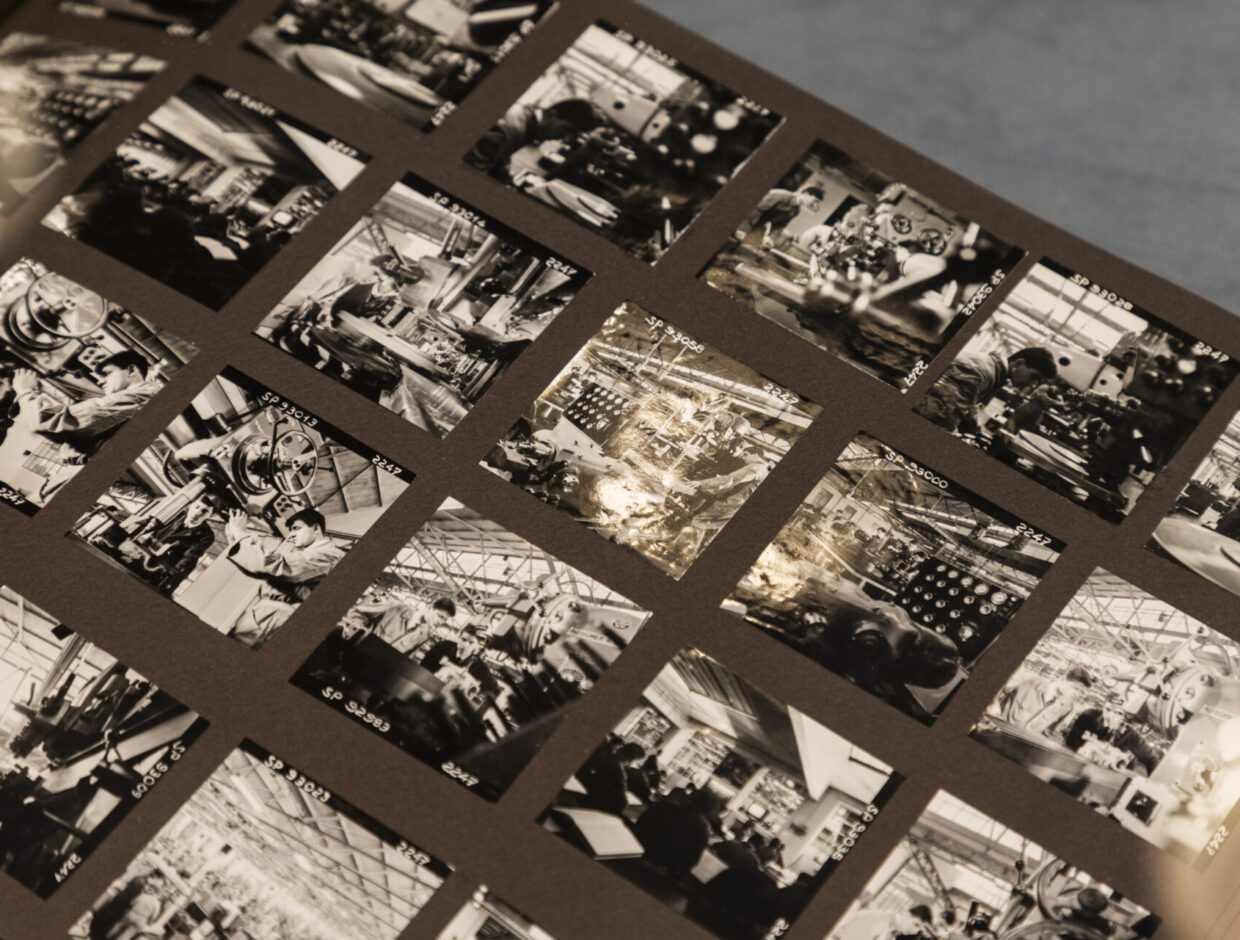
The final documentary contribution is the one created by Giovanna Silva, who produced a series of photographic images of documents from the Centro Storico Fiat Archive.
An archive is like a map. But instead of unfolding across space, it unfolds through time. The Archive of the Centro Storico Fiat tells the story of the factory, but — since FIAT represented such a significant part of the history of Turin and of Italy itself — through that story it is possible to read, almost in filigree, more than a century of Italian life.
The Togliatti project is one chapter of this story, documented through dozens upon dozens of folders containing technical reports, administrative records, correspondence, photographs, and drawings — an immense body of material that allows us almost to witness, phase by phase, the enormous collective effort behind the construction of the plant.
Starting from these documents, Giovanna Silva developed a personal visual reinterpretation, weaving together archival testimonies with the photographs she took during her stay in Togliatti.
Philosophy
Mauto Around
Il percorso espositivo si sviluppa a partire da un approccio polidisciplinare, ben rappresentato dal team di co-curatori che hanno affiancato Giuliano Sergio: Davide Lorenzone e Ilaria Pani, rispettivamente Conservatore e Responsabile del Centro di Documentazione del MAUTO; Maurizio Torchio, Responsabile Centro Storico Fiat e Roberto Giolito, Head of Heritage Stellantis Italy. Insieme a loro, in qualità di esperti dei rispettivi campi d’indagine e autori dei saggi in catalogo: Clino Trini Castelli, Designer, Maurizio Cilli, Architetto e Artista, Mauro Coppini, Giornalista, Manuel Orazi, Architetto e Roberto Vaccà, Pubblicitario.
THE STORY
Togliatti 1966
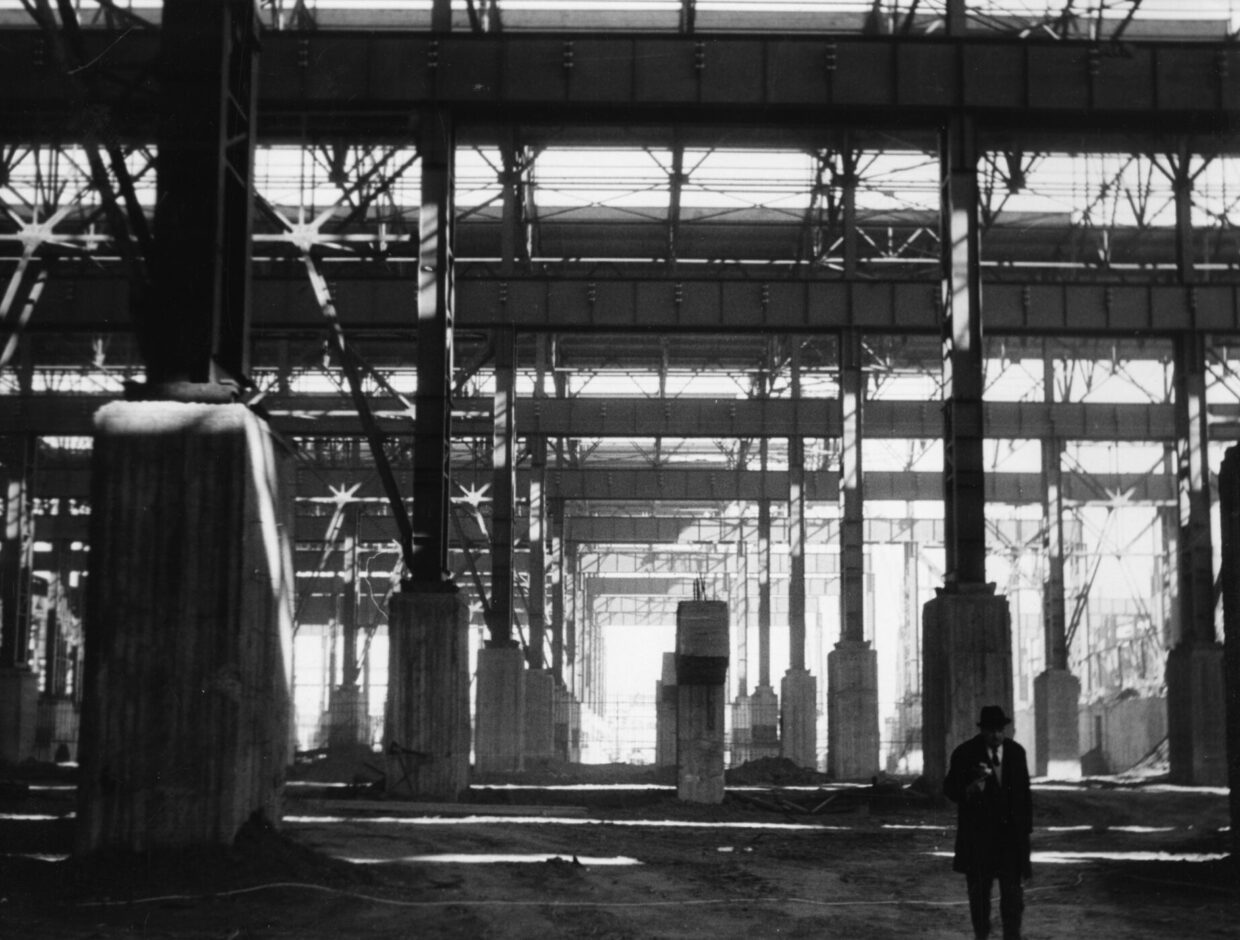
Sixty years have passed since the signing of the agreement regulating the collaboration between Italians and Soviets. On 4 May 1966 — at a table still on display today at the Centro Storico Fiat — Vittorio Valletta signed the protocol for the construction of the plant. The agreement was finalized in August, when the president of FIAT, accompanied among others by Gianni Agnelli, Piero Savoretti and Riccardo Chivino, signed in Moscow the General Agreement for the creation of AutoVAZ, in the presence of Prime Minister Kosygin and Minister of the Automotive Industry Tarasov. Shortly afterwards, construction work on the factory began.
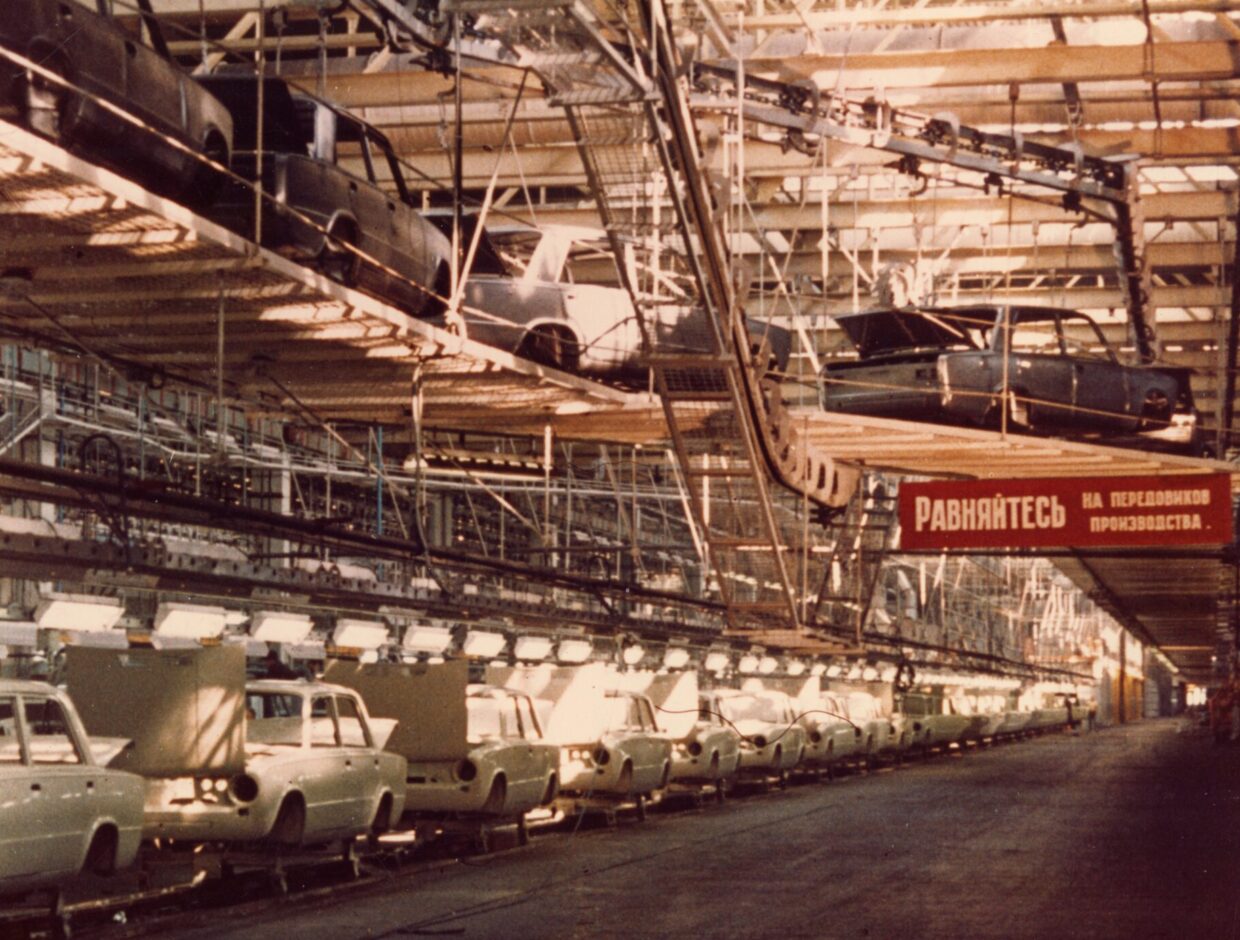
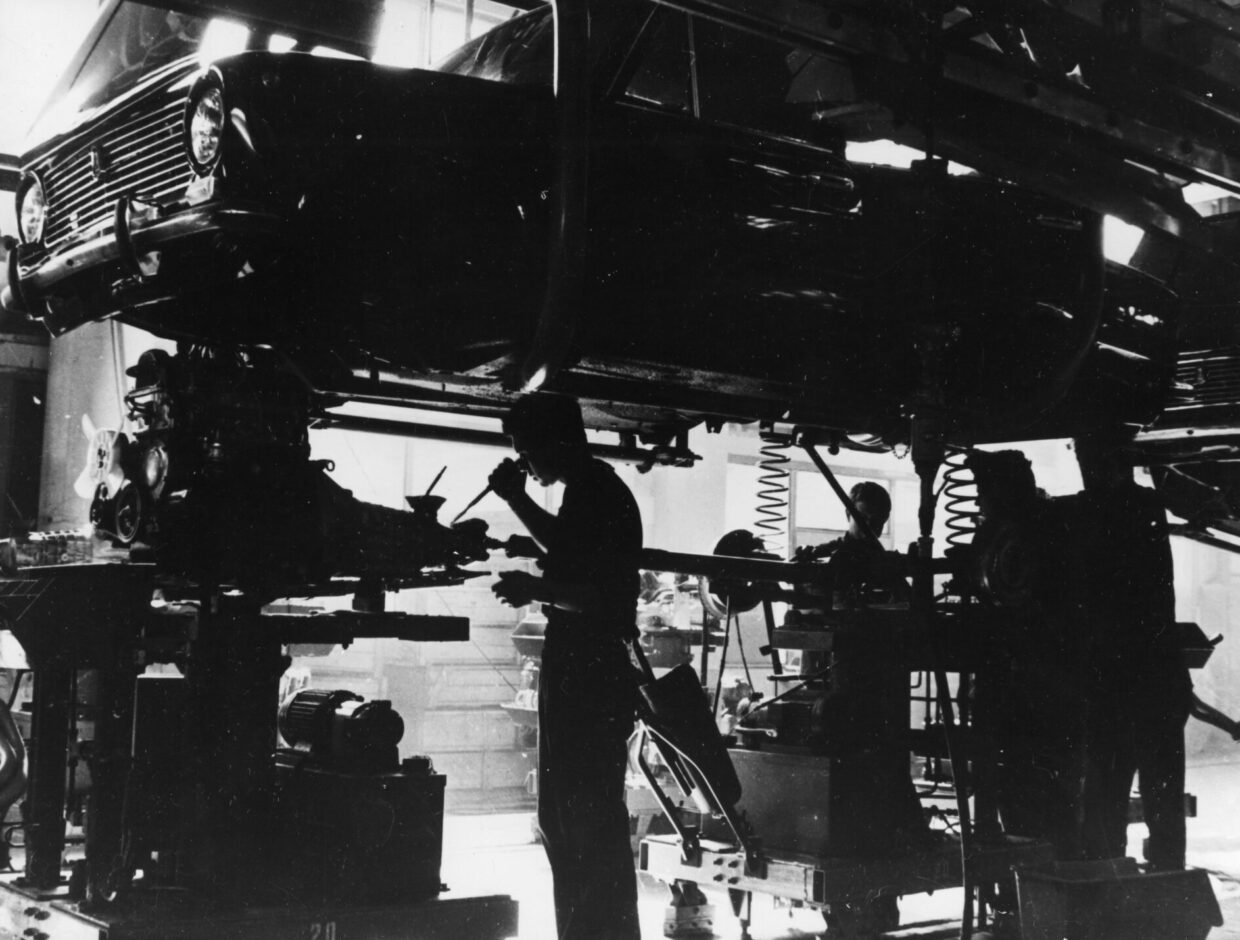
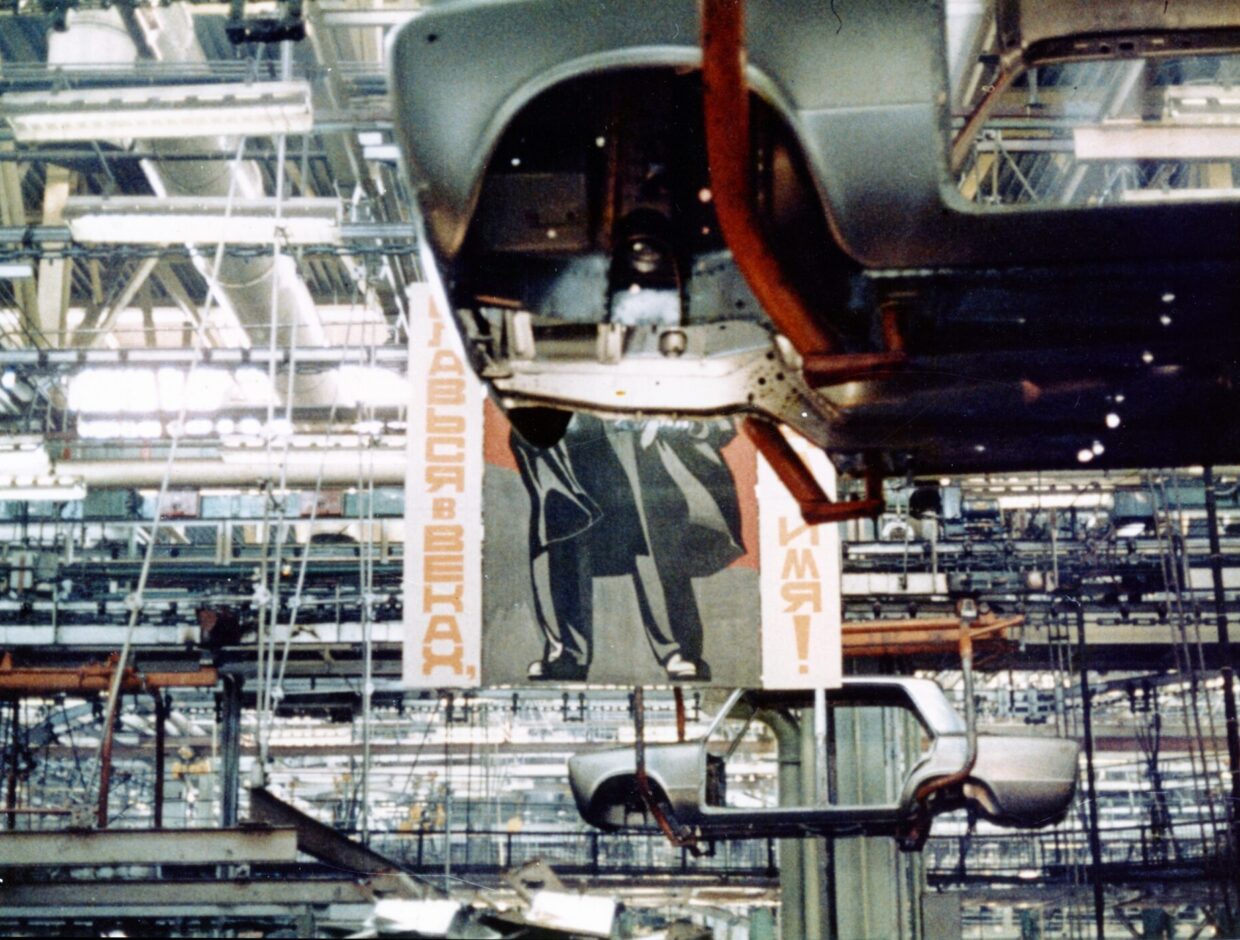
Over the course of five years — with an investment equivalent to around ten billion euros today, supported together with other component manufacturers involved in the project, such as Pirelli, Riv and Innocenti — FIAT built a factory capable of producing more than 600,000 automobiles per year. It was a “vertical” factory, meaning that almost everything — except tyres, electrical equipment and glass components — was produced internally. The workforce numbered around 48,000 workers, technicians and managers.
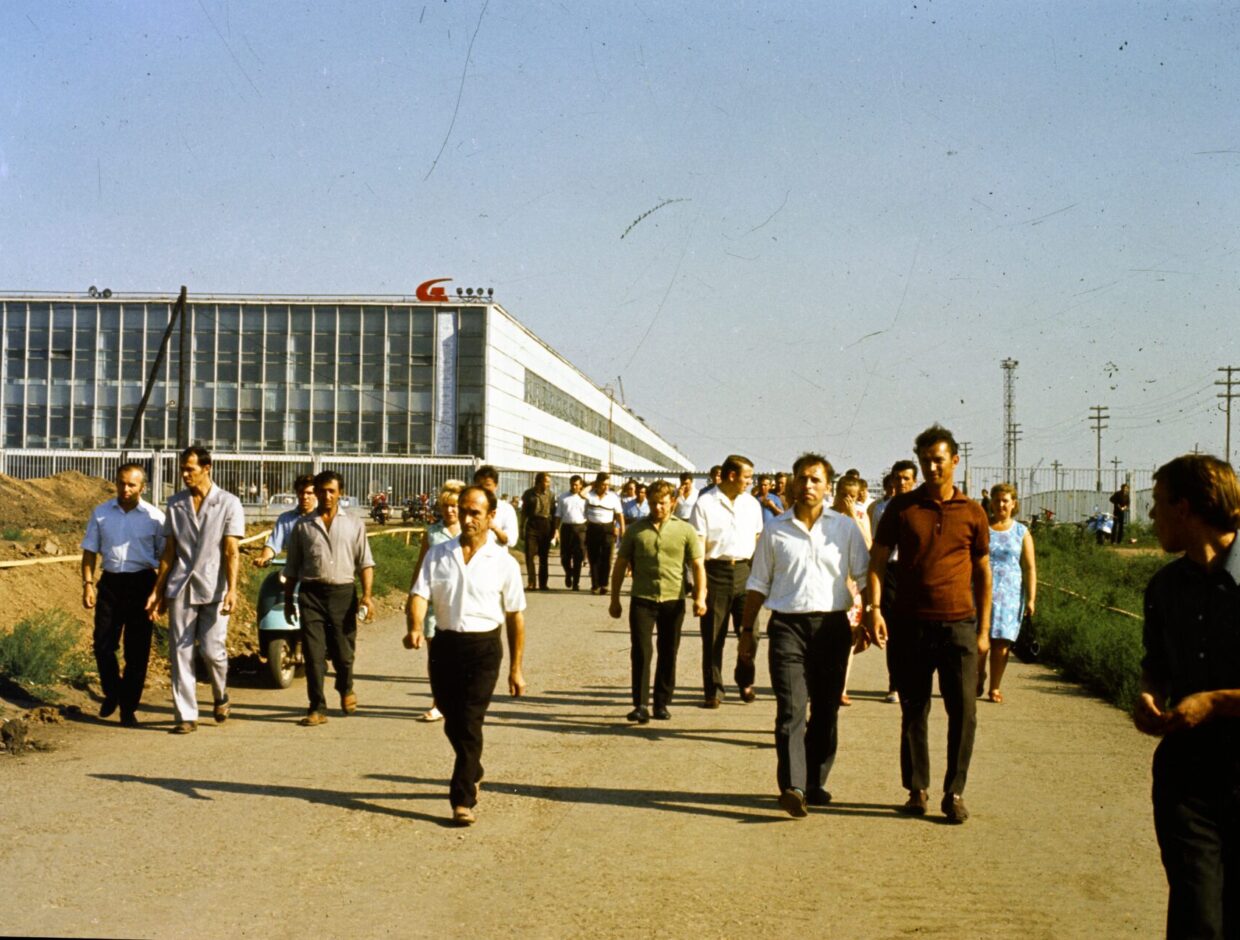
The city of Togliatti changed dramatically. It had a population of 60,000; by 1979 it would grow to more than 300,000 inhabitants, attracting workers and technicians from every region of the Soviet Union, especially young people recruited through the Komsomol, the Communist youth organization. Togliatti was described as an ideal place to work, where wages were paid “according to Western standards.” The slogan read: “Our fathers built Magnitogorsk (one of the largest steel complexes in the world), we will build Togliatti.”
BEYOND CARS
Artworks
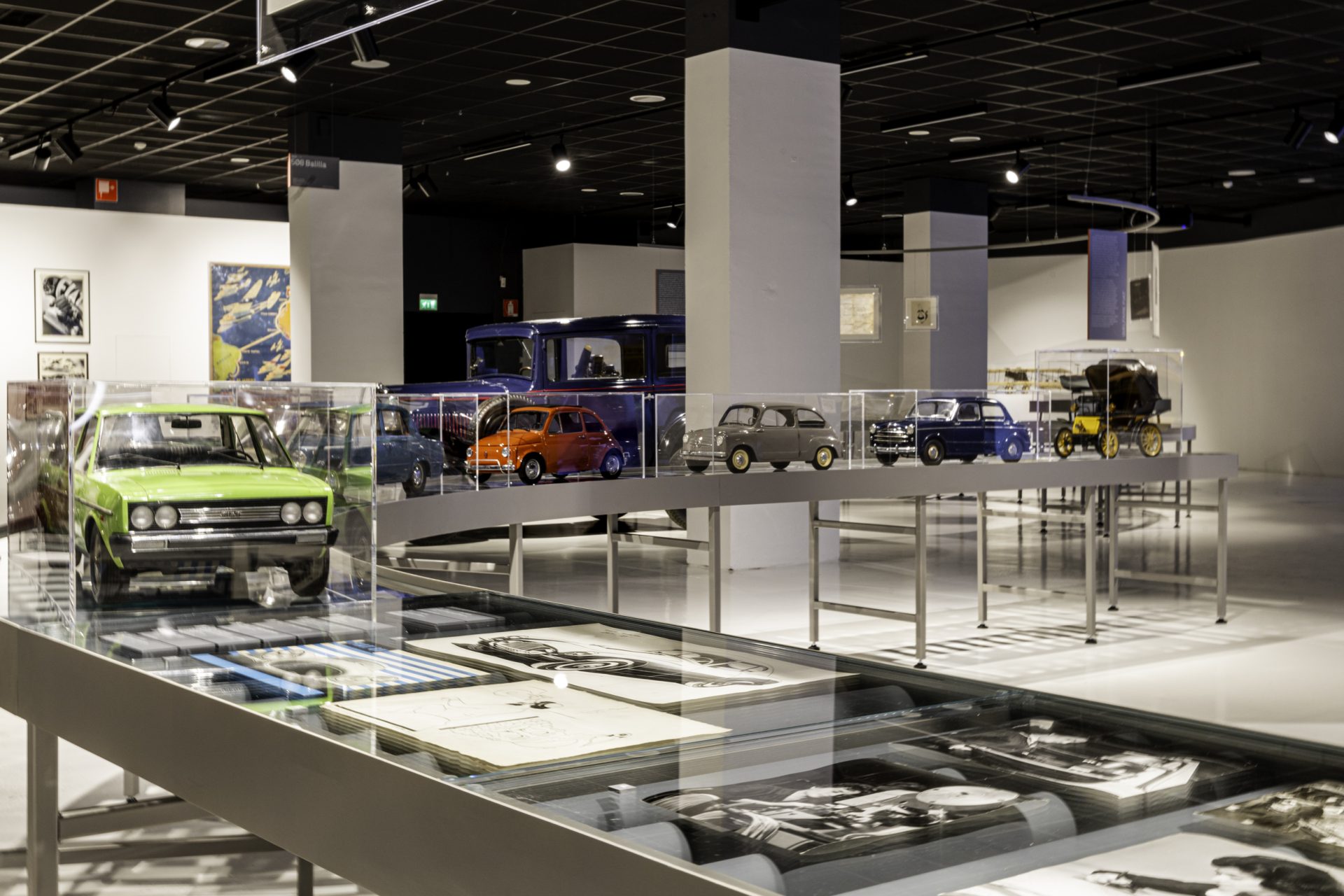
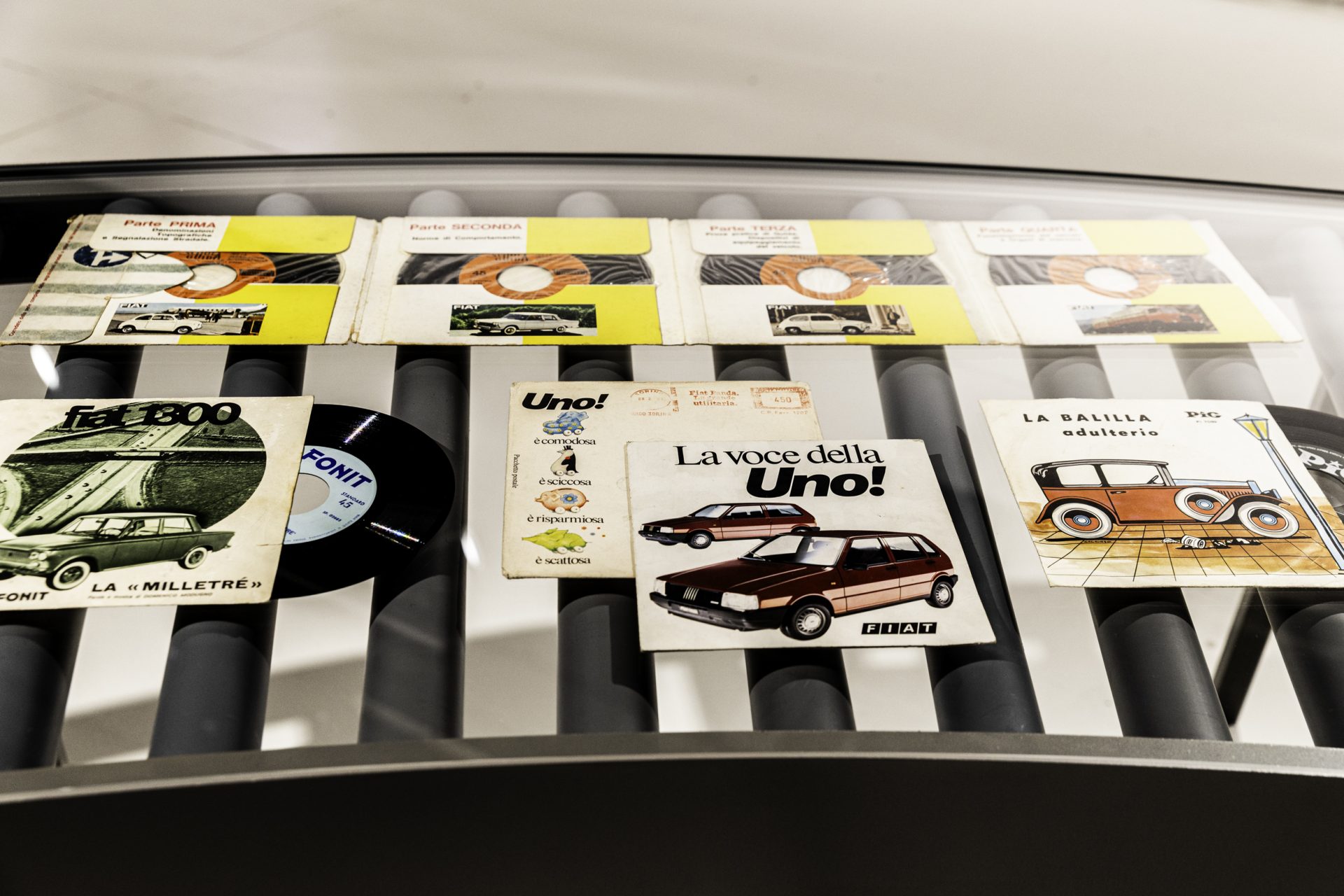
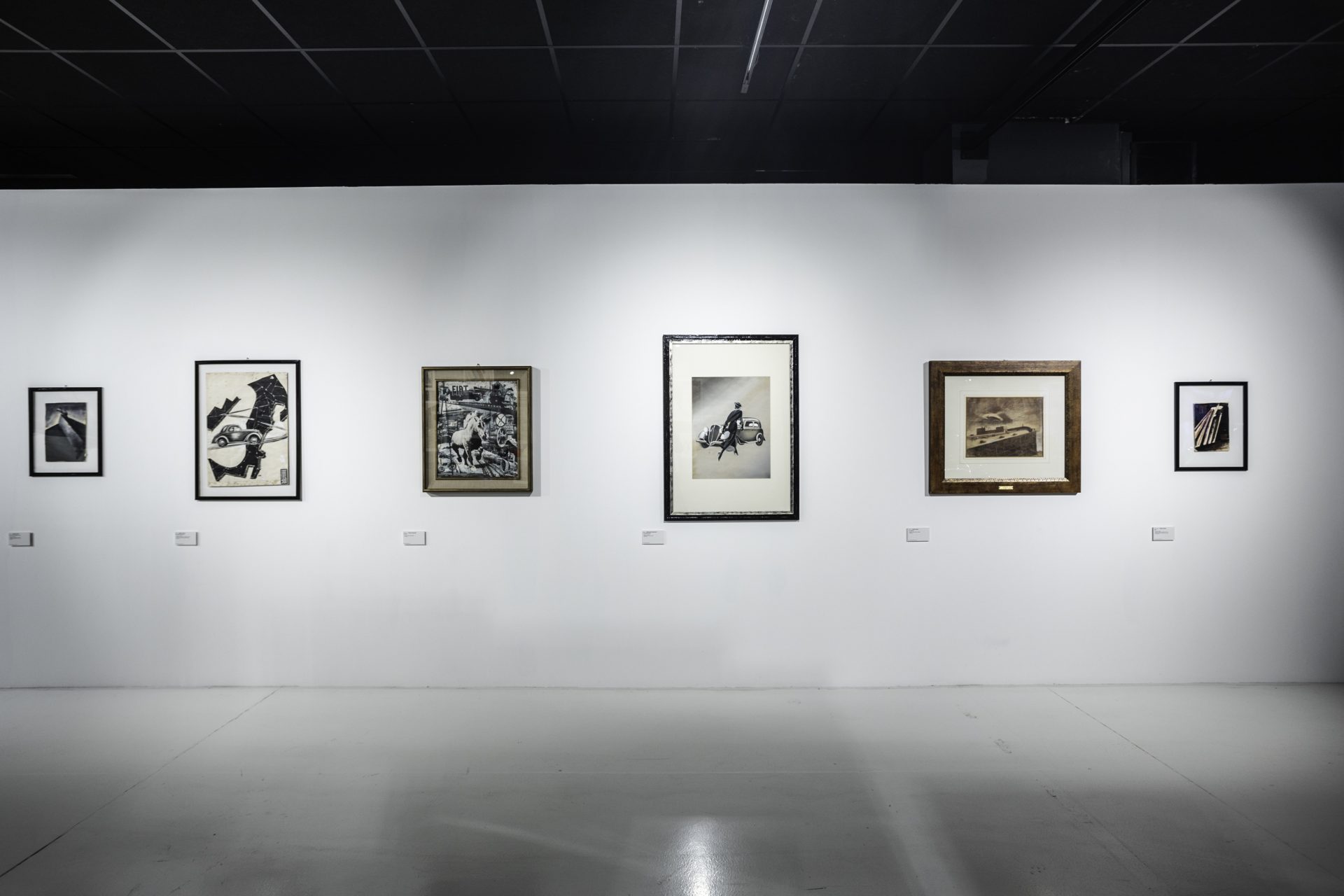
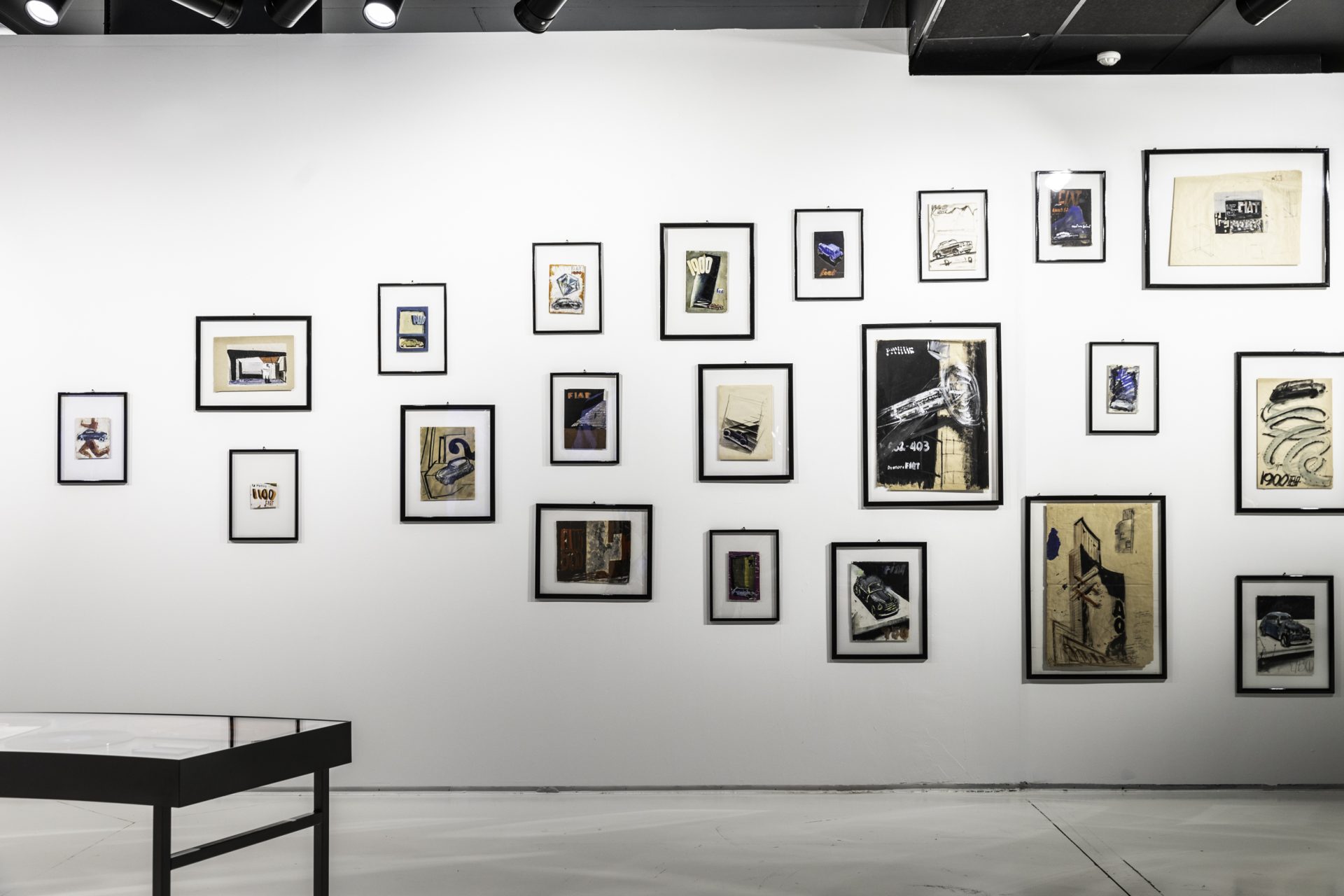
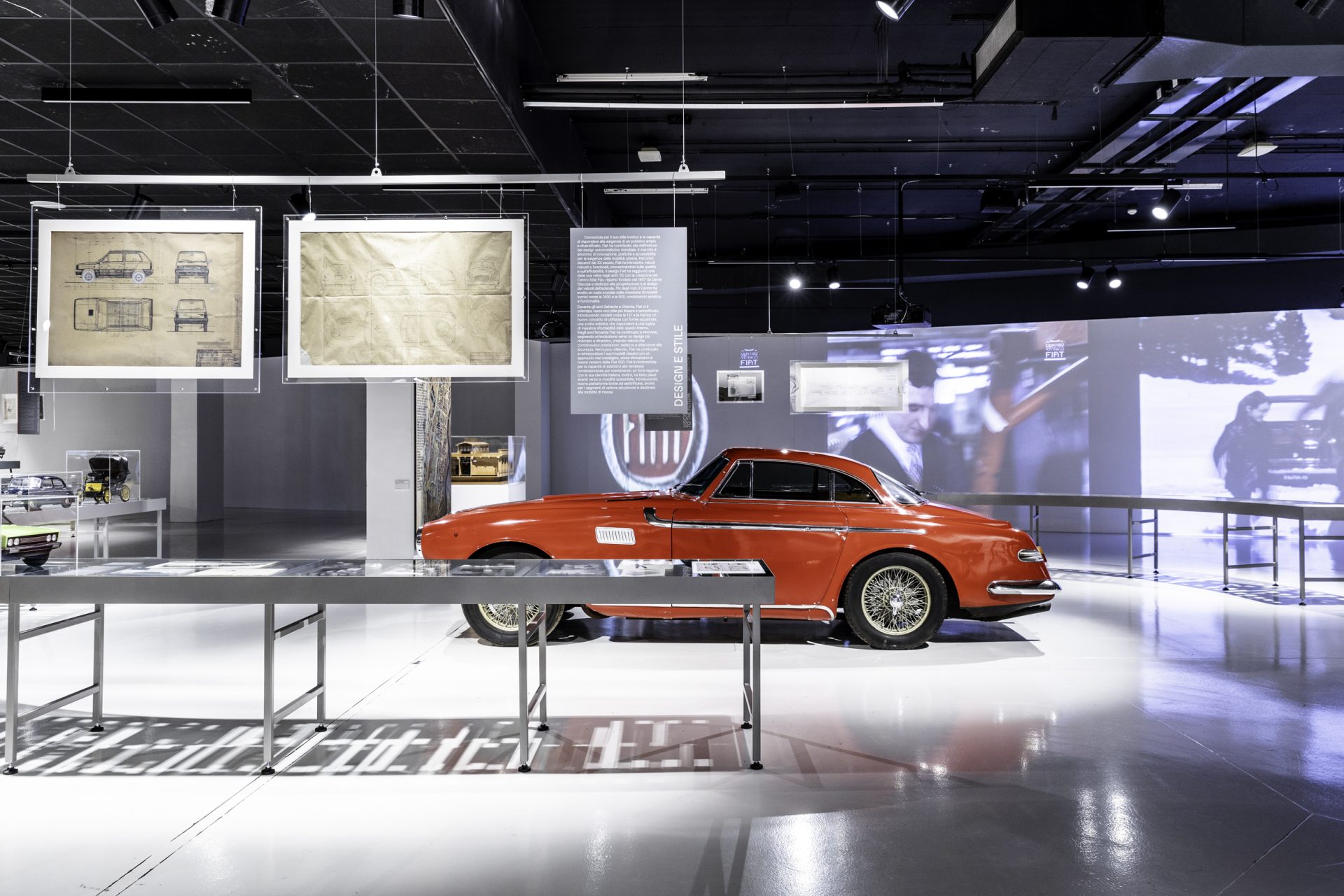
Le vetture esposte sono corredate da una vasta selezione di opere d’arte, documenti d’archivio, materiali grafici, fotografici e audiovisivi d’eccezione che contribuiscono a definire l’immaginario visivo dell’azienda: dai manifesti e bozzetti pubblicitari di inizio secolo realizzati, tra gli altri, da Leopoldo Metlicovitz e Plinio Codognato – nei quali si compie il transito dalla cultura estetica liberty all’abbagliante potenza delle nuove possibilità tecniche e meccaniche che ispireranno il futurismo – alle opere pittoriche di Mario Sironi, Carlo Carrà e Felice Casorati che offrono una straordinaria rappresentazione della modernità immaginata da Fiat tra le due guerre; dai disegni di Marcello Dudovich e Giuseppe Romano che portano alla ribalta la figura femminile, protagonista della modernità degli Anni Venti, a una serie di fotografie scattate da Luigi Ghirri a Palazzo Grassi negli Anni Novanta.
ALLESTIMENTO
Il progetto di allestimento
Il progetto di allestimento della mostra, realizzato dallo studio Leftloft, interpreta alcune delle caratteristiche genetiche della Fiat attraverso scelte semplici e funzionali riproposte in chiave innovativa. Una catena di montaggio, appositamente reinterpretata, si svolge nello spazio interrompendosi e ricominciando in un gioco di rimandi e portando con sé testimonianze e immagini come molecole distintive di un DNA articolato e complesso, in un percorso di focus tematici. Tutto intorno, una proiezione immersiva e cangiante fa da scenografia di contesto, raccontando lo scorrere di 125 anni di cambiamenti sociali, di personaggi, di stili di vita, di accadimenti storici che si sono intrecciati con la storia della Fiat.
SPIN OFF
Centro Storico Fiat
From December 2024 to October 2025, Centro Storico Fiat hosts the exhibition project Memory and conflicts, spin-off of the exhibition 125 times Fiat. Modernity through the Fiat imagery.
Centro Storico Fiat preserves more than two thousand images and three hundred folders of documents dedicated to the theme of conflict. Strikes, demonstrations, disputes, leaflets, company announcements, throughout the twentieth century. Some of this material was collected by those who had the task of ensuring corporate security. Photos taken from behind the office windows down and outside of who was pressing at the gates. The collection of flyers, unique in its kind, is particularly striking. Day by day, through the decades, the overseers – with more care than any archivist – wrote down and attached all the leaflets launched, distributed or found inside and outside the factories. Sometimes they marked the exact place and time: a specific Mirafiori door; a workers’ or employees’ bathroom; a banner, the workshop.
We thank: Associazione culturale Vera Nocentini, Fondazione di studi storici Gaetano Salvemini, Fondazione Istituto piemontese Antonio Gramsci, Gruppo Dirigenti Fiat, ISMEL – Istituto per la Memoria e la Cultura del Lavoro, dell’Impresa e dei Diritti Sociali.
Beyond the exhibition
The catalogue
Accompagna la mostra il catalogo Skira Arte nel quale un ricco e significativo apparato iconografico – fatto di immagini d’epoca, disegni, fotografie, bozzetti e manifesti – accompagna i contributi di Giuliano Sergio, Maurizio Cilli, Mauro Coppini, Roberto Giolito, Manuel Orazi, Clino Trini Castelli e Roberto Vaccà.
Utilizziamo i cookie per fornirti una migliore esperienza utente. Cliccando su "Accetta tutti" acconsenti l'utilizzo di tutti i cookie; in alternativa puoi cliccare sulla sezione "Preferenze cookie" per controllare i consensi.
This website uses cookies to improve your experience while you navigate through the website. Out of these, the cookies that are categorized as necessary are stored on your browser as they are essential for the working of basic functionalities of the website. We also use third-party cookies that help us analyze and understand how you use this website. These cookies will be stored in your browser only with your consent. You also have the option to opt-out of these cookies. But opting out of some of these cookies may affect your browsing experience.